Multi-planar Fitness Training
Most people think of fitness as moving forward and backward. Walking, running, squatting, lifting. While these movements are important, the human body is designed to move in multiple directions. When we limit movement to only one plane, imbalances develop, tissues adapt poorly, and pain often follows.In order to maintain lifelong strength and mobility, we need to train the body in a way that reflects real-world movement. That’s where multi-planar training comes in.
What Is Multi-Planar Movement?
Multi-planar movement refers to moving the body through all three planes of motion. Everyday life, not just exercise, requires this variety to stay strong, stable, and resilient.
Sagittal – forward and backward (think walking, sitting, squatting)
Frontal – side to side (like stepping sideways or doing lateral lunges)
Transverse – twisting and rotating (reaching behind you or turning while carrying groceries)
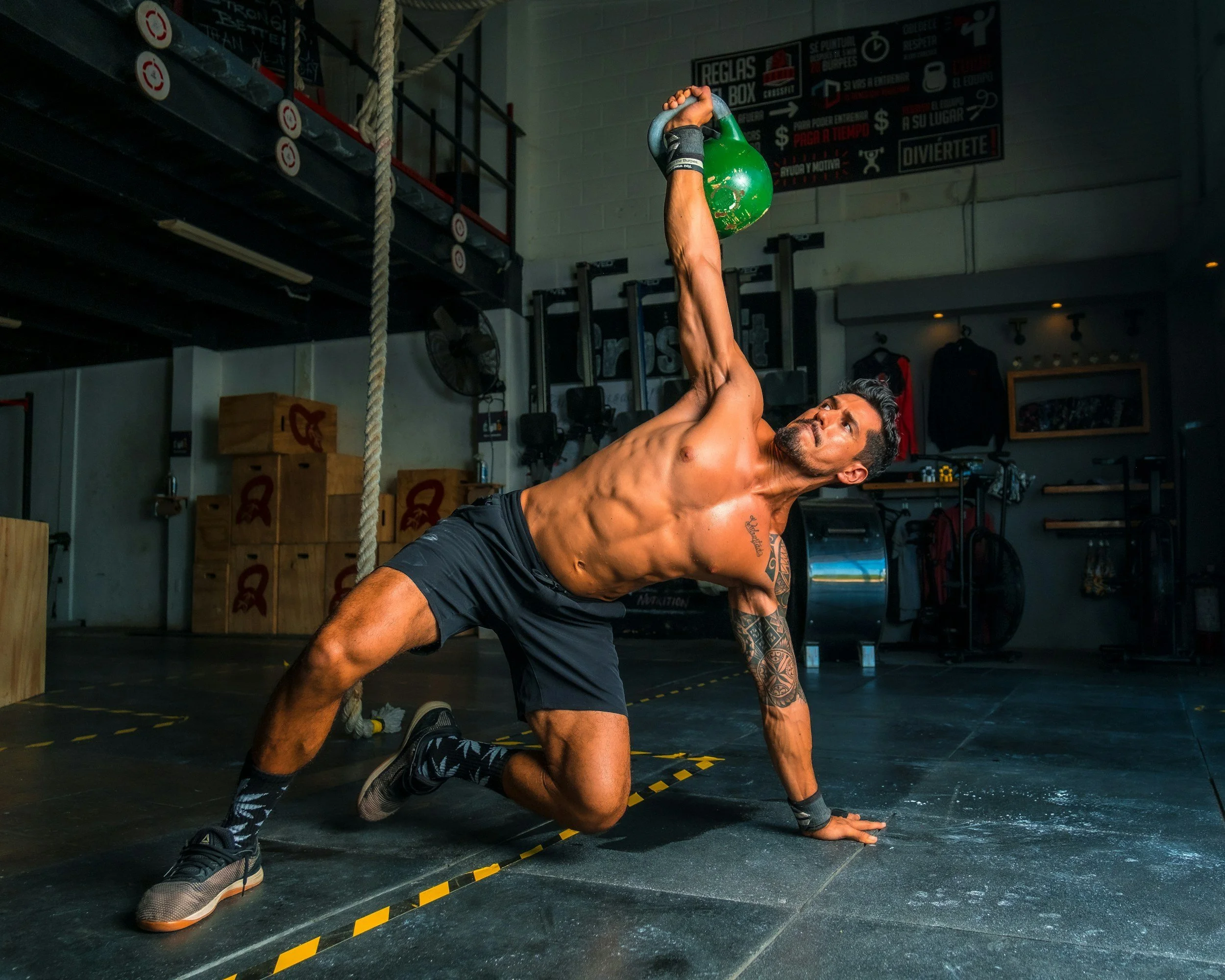
A well-rounded fitness program should challenge and support movement in all three planes to build stability, prevent injury, and promote balance especially as we age.
Many people unknowingly train only in the sagittal plane. Squats, rows, and push-ups are great for building muscle mass, which is why they’re gym staples. But everyday life is much more dynamic. Think about side-stepping uneven ground or twisting to reach the backseat of your car. These moments demand lateral and rotational strength.
Why Linear Training Alone Isn’t Enough
Many fitness routines focus almost entirely on sagittal plane movement. Over time, this creates strong patterns in one direction while leaving stabilizers and rotational muscles undertrained.
Repetitive Patterns Create Imbalances
Repeating the same movements trains the body to rely on the same tissues over and over. Other muscles and connective tissues become stiff, weak, or unresponsive.
Limited Movement Variety and Chronic Pain
When the body cannot move freely in all directions, stress accumulates in predictable places such as the neck, shoulders, hips, and lower back. Pain often develops not from weakness, but from restriction.
How Multi-Planar Training Supports Long-Term Joint Health
Training in multiple planes improves coordination, balance, and overall movement efficiency.
Improved Stability and Control
Multi-directional movement challenges the nervous system and helps joints respond more effectively to daily demands.
Healthier Fascia and Connective Tissue
Fascia thrives on varied movement. When movement becomes repetitive, fascia stiffens and loses its ability to glide, contributing to discomfort and limited range of motion.
Why Pain Persists Even When You Exercise Regularly
Many people exercise consistently yet continue to experience pain or tightness. This often happens when restricted tissue, old injuries, or chronic stress patterns are never addressed.
Exercise strengthens movement patterns. It does not always release what is already stuck.
Where Massage and Myofascial Release Fit In
Training Builds Strength, Massage Restores Mobility
Massage and myofascial release work directly with the connective tissue that limits movement. This allows the body to access the full benefit of multi-planar training.
Addressing Fascia for Real Change
When fascia is restricted, the body cannot move efficiently in any plane. Releasing these restrictions helps restore natural alignment, ease, and adaptability.
Supporting Your Body Beyond Exercise
Movement is essential, but movement alone is not always enough to resolve long-standing pain or restriction. When fascia has adapted to years of repetitive patterns, stress, or injury, hands-on myofascial release can help restore the body’s ability to move freely in all directions again. At Selina’s Therapy Center, sessions are guided by assessment, experience, and a deep understanding of how the body heals. If your workouts are not translating into comfort or ease, a therapeutic massage session can support your body where exercise leaves off. You’re welcome to book a session when you’re ready to address the deeper layers holding you back.