Massage for Parkinson’s Relief
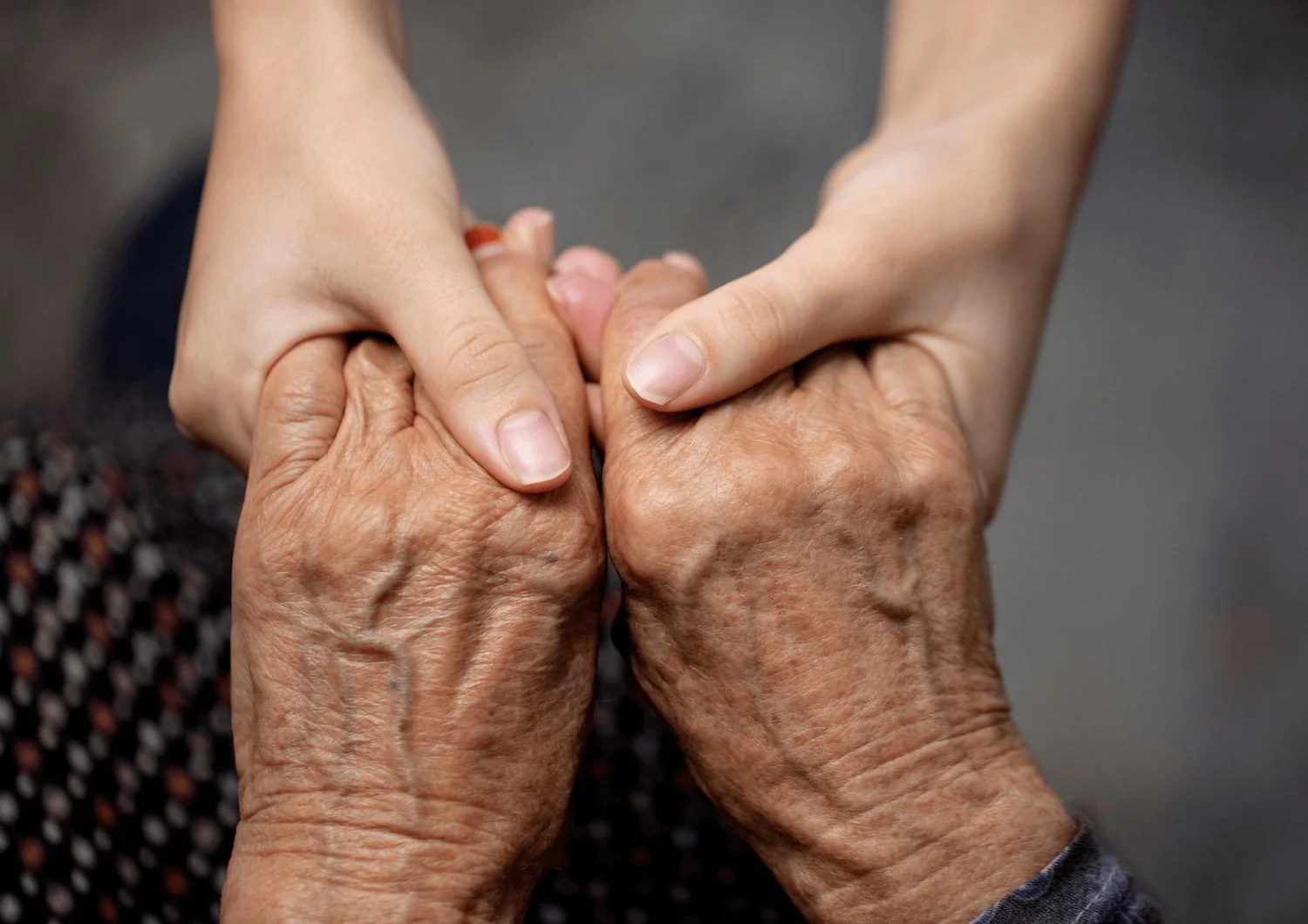
Massage therapy for Parkinson's disease in Pacific Grove provides gentle, compassionate relief from muscle rigidity, tremors, and the emotional toll of living with a progressive condition. Our specialized approach reduces stiffness, improves mobility, and offers moments of peace amid challenging symptoms. While massage doesn't cure Parkinson's, research shows it significantly improves quality of life, reduces anxiety, and helps patients maintain independence longer.
What is Massage for Parkinson’s Relief?
Massage for Parkinson’s relief is a therapeutic approach aimed at easing the symptoms commonly associated with Parkinson’s disease, such as muscle stiffness, reduced mobility, tremors, and overall tension. It’s not a cure, but it can provide meaningful comfort and support.
Here's what
it typically involves
Specialized Treatments
Gentle, rhythmic techniques to relax rigid muscles

Slow stretching and passive movement to improve joint flexibility

Focus on circulation to reduce swelling and improve blood flow

Craniosacral or myofascial techniques to calm the nervous system

Targeted work to reduce stress and enhance emotional well-being

Why It Matters?
Living with Parkinson’s often means navigating daily challenges—muscle stiffness, tremors, fatigue, and emotional stress. Massage offers more than just physical relief. It provides a moment of peace, a chance to reconnect with your body, and a gentle reminder that you're not alone in your journey.
Touch has the power to calm the nervous system, improve mood, and support better movement. For many, these sessions become a valuable part of feeling cared for—both physically and emotionally.
How It Complements Other Treatments?
Massage therapy is not a replacement for medical care, but it works beautifully alongside it. Many people with Parkinson’s use massage to support their medication, physical therapy, and exercise routines.
It helps reduce stress, improve sleep, and ease the muscle tension that can make daily movement harder. When combined with your existing treatment plan, massage can enhance your overall well-being and offer much-needed relief between medical visits.
How Often Should You Come??
Every body is different, and so is every journey with Parkinson’s. Some clients benefit from weekly sessions to manage ongoing symptoms, while others prefer bi-weekly or monthly visits for maintenance and relaxation. We’ll work with you to find a rhythm that fits your needs, comfort level, and schedule—no pressure, just support when you need it most.
What to Expect During Your Session
Before Arrival:
Call if you're having a particularly difficult day, we can adjust the session or reschedule without penalty.
During Your Session:
• We'll help you get on and off the table safely
• Positioning includes extra pillows and bolsters for comfort
• Sessions are quiet, allowing you to relax fully
• We work slowly and communicate throughout
• Tremors during massage are completely normal
After Your Session:
• Take your time getting up—no rushing
• Many patients feel relaxed, sometimes sleepy
• Reduced rigidity may last 2-4 hours
• Benefits accumulate with regular sessions
• Hydrate well to support the body's response
Safety Considerations
Inform Your Therapist About:
• Current medications (especially blood thinners)
• Deep brain stimulation (DBS) devices
• Recent falls or injuries
• Skin sensitivity/fragility or any areas of numbness
• Cognitive changes affecting communication
We Avoid:
• Aggressive stretching (risk of injury)
• Hot stones or heat (medication interactions)
• Face-down positioning if breathing is difficult
• Sudden movements that might startle
Medical Coordination: Massage works best as part of your care team.
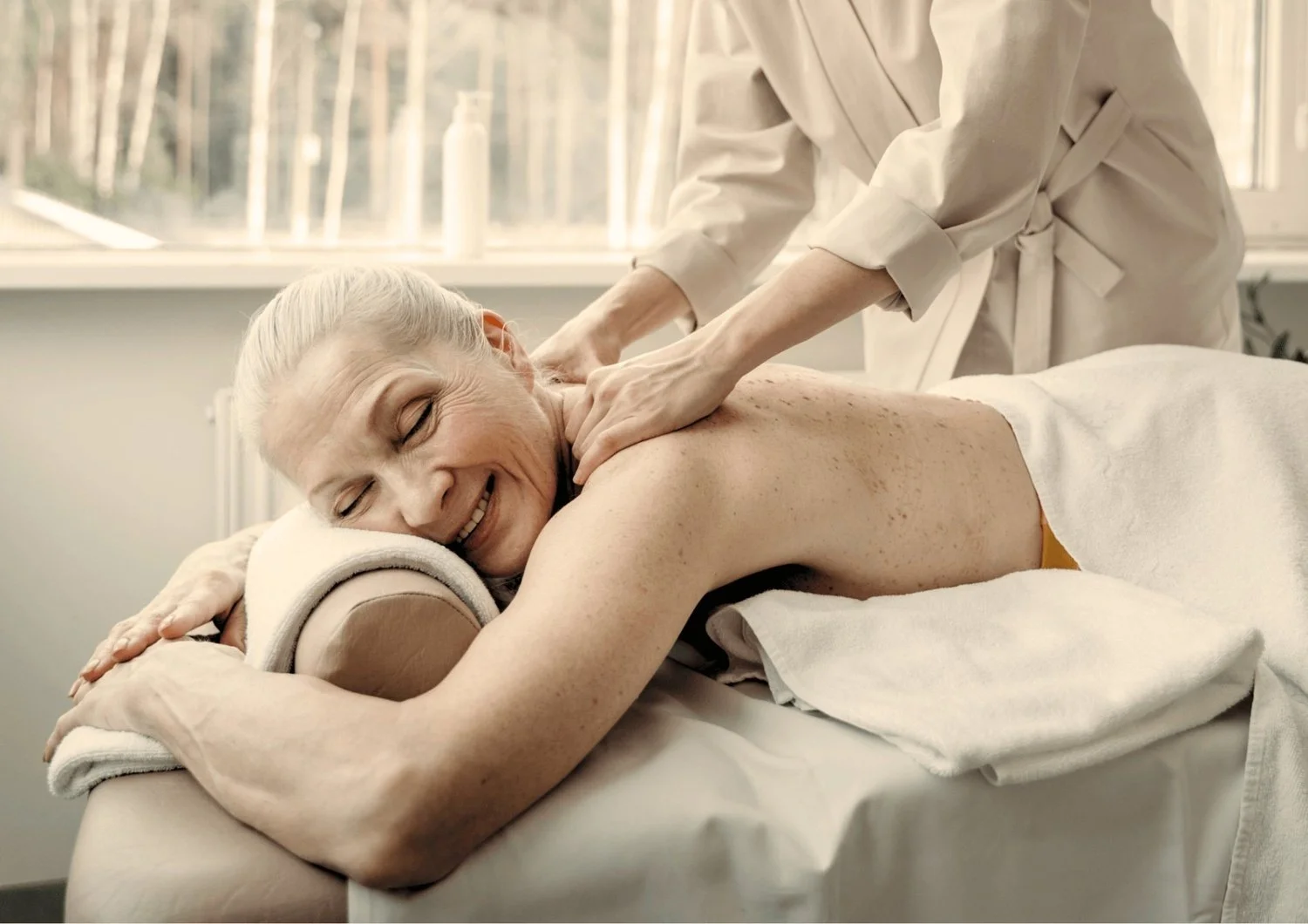
Relief isn’t always a cure—sometimes, it’s a quiet moment of ease in the middle of everything else.
Explore Our Other Services
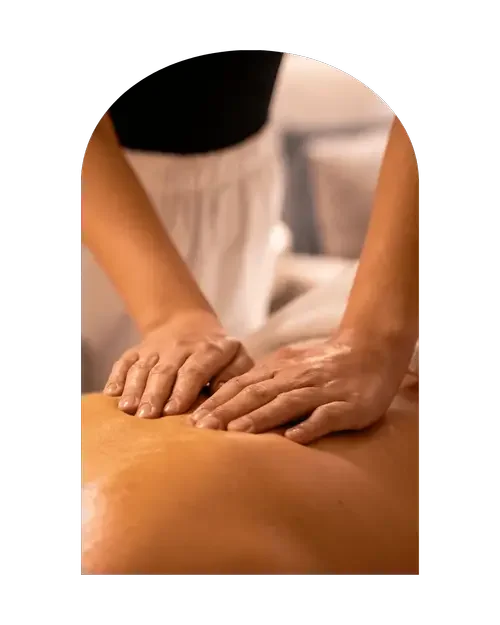
Massage Styles
Massages to relax, heal, and restore your body. Each style is designed to meet your specific needs for relaxation and recovery.
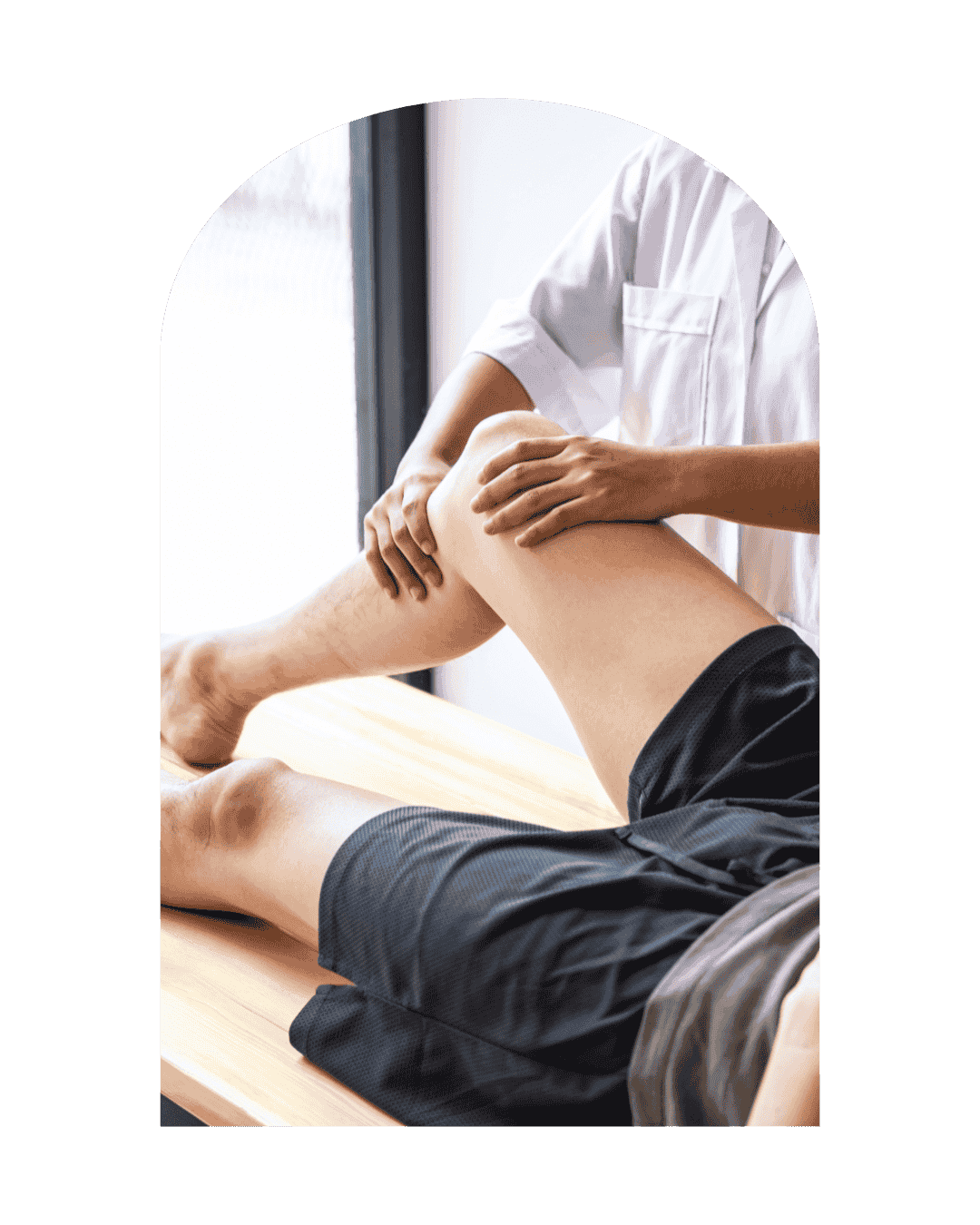
Body Rehabilitation
Posture correction and movement therapy designed to support recovery and keep you moving well beyond physical therapy.