Why I Recommend This Seat Cushion to Nearly Every Client
One Small Change = Big Relief
If you spend a lot of time driving—or sitting anywhere, really—you may not realize how much your seat influences your posture, pelvic alignment, and long-term comfort.
As a massage therapist and posture specialist with over two decades of experience, I’ve noticed a remarkably consistent pattern: car seats often contribute to pelvic imbalance, even in newer, well-designed vehicles. Over time, that imbalance can quietly create strain throughout the hips, lower back, and legs.
The Hidden Problem With Most Car Seats
No matter the make or model, many car seats develop a subtle dip on one side. Sometimes this happens from how we repeatedly enter and exit the car; other times it’s simply how the seat is constructed. Either way, the result is often the same: an uneven pelvis.
When the pelvis isn’t level, the body compensates—often without us realizing it.
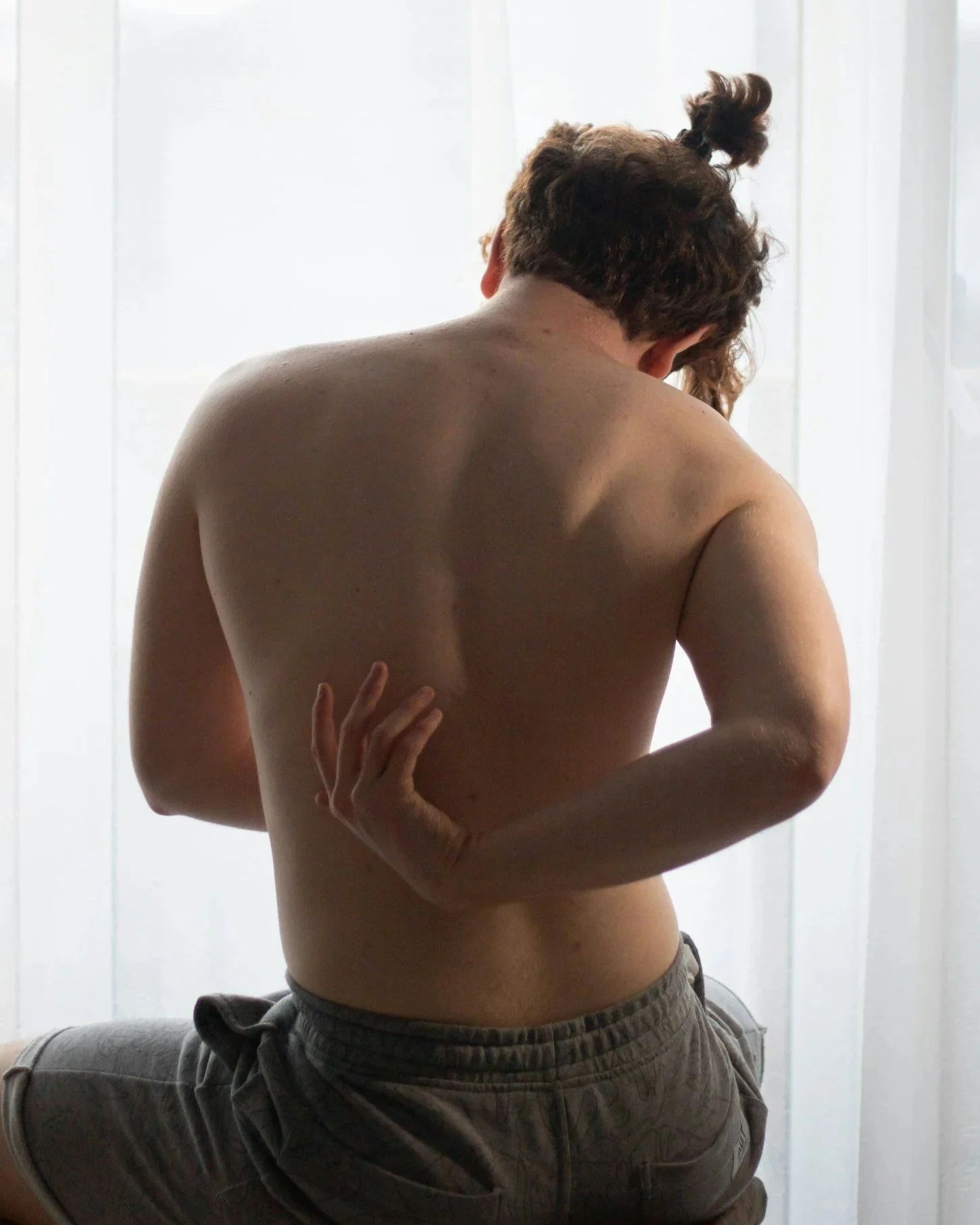
Common symptoms I see in clients include:
Hip pain or asymmetrical tightness
Shooting or radiating pain down one leg
Groin or glute tightness
Fatigue and discomfort after long drives
These symptoms are frequently blamed on aging, old injuries, or a bad mattress. But very often, the car seat itself is a major contributing factor.
Why This Seat Cushion Helps
This is the seat cushion I consistently recommend: KINGPHENIX Seat Cushion.
It’s not just a comfort upgrade—it functions as a biomechanical support tool that helps restore more neutral seated alignment.
✔ Pelvic Leveling Support (The “What”)
This wedge-style cushion helps counteract uneven seating surfaces by redistributing weight more evenly across the pelvis.
✔ Why Pelvic Leveling Matters (The “Why”)
When the pelvis is level:
The spine stacks more naturally
The hips can relax instead of gripping
The body no longer compensates for one side being higher
This alone can significantly reduce strain patterns that show up as hip, SI joint, or low back discomfort.
✔ How It Supports the SI Joints (The “How”)
By improving hip angle and pelvic positioning, the cushion may help reduce excessive shearing forces at the sacroiliac (SI) joints—the connection point between the pelvis and spine. A more stable pelvic base often translates to less irritation and greater comfort during prolonged sitting.
✔ Reduced Nerve Compression
The gentle lift positions the hips slightly higher than the knees. This seated angle can:
Reduce pressure along the back of the thighs
Decrease compression near the sciatic and posterior femoral nerves
Create more space through the front of the hip, where important nerves and blood vessels pass
Many people notice less leg discomfort, numbness, or “pinching” sensations with this simple change.
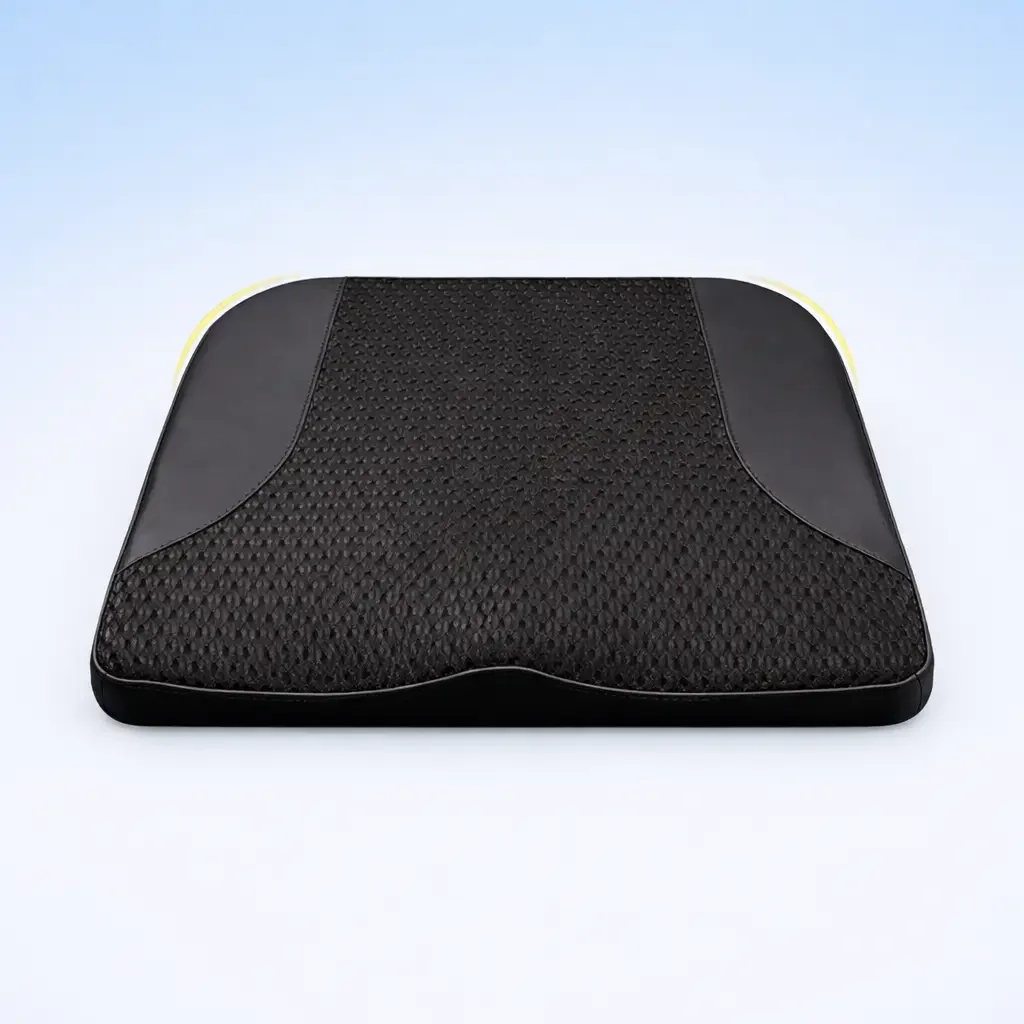
Portable & Versatile Use
The built-in carry handle makes this cushion easy to use beyond the car. Clients commonly take it to:
Office chairs
Outdoor dining chairs
Bleachers or stadium seating
Airplane flights
Long meetings or Zoom calls
I’ve even had clients bring it to movie theaters.
Why I Recommend It So Often
If you’ve been dealing with hip, leg, or lower back discomfort—or if you know your seated posture isn’t ideal—this cushion is often one of the simplest and most affordable changes you can make.
I don’t get excited about many products. But this one has helped so many of my clients feel noticeably better that I now keep one in my own car and recommend it regularly. Small alignment changes, when applied consistently, can make a meaningful difference.
My Personal Experience Using This Cushion
Honestly, this cushion has become one of those things I don’t want to be without.
I keep one at work and one in my car, and I bring it with me to many places such as restaurants, outdoor seating, benches, or anywhere I know I will be sitting on a hard surface for more than a few minutes. Because I don’t have a lot of natural padding, especially now that I’m thinner, hard or cold seats can quickly become uncomfortable and even painful. Sitting on concrete, wood, or metal tends to send that cold straight into my body, and over time it really gets into my bones.
This cushion makes a noticeable difference. It helps reduce pressure on sensitive areas, supports better pelvic positioning, prevents deep aching from hard seating, and provides a bit of warmth and insulation that I didn’t realize I needed until I had it.
It’s one of those small, practical tools that quietly improves comfort in everyday life, which is exactly why I recommend it so often.
Frequently Asked Questions
Does this seat cushion help with SI joint discomfort?
Many clients with SI joint sensitivity find that leveling the pelvis and reducing asymmetrical load improves comfort while sitting. While it’s not a medical treatment, better alignment often reduces aggravating forces on the SI joints.
Can I use this cushion every day?
Yes. It’s designed for daily use, especially if you sit or drive for long periods. Most people benefit from using it consistently rather than only during flare-ups.
Is this better than a lumbar roll?
They serve different purposes. Lumbar rolls support spinal curves, while this cushion addresses pelvic alignment—which often needs to be corrected first. In some cases, both can be used together.
Who should be cautious using this cushion?
If you have a recent injury, surgical restrictions, or complex medical conditions, consult a healthcare professional before making posture changes.
Want Deeper Support?
If you’re experiencing chronic hip, SI joint, or low back discomfort and are located in Pacific Grove, Monterey, or the surrounding Monterey Peninsula, hands-on bodywork can help address deeper structural patterns that seating supports alone can’t resolve.
👉 Learn more about therapeutic massage and posture-focused bodywork at Selina’s Therapy Center
Important Note: This cushion is a wellness support tool and is not intended to diagnose or treat medical conditions. If pain persists, consult a qualified healthcare professional.
References & Further Reading
McGill, S. M. (2007). Low Back Disorders: Evidence-Based Prevention and Rehabilitation. Human Kinetics. https://www.humankinetics.com/products/low-back-disorders-3rd-edition
O’Sullivan, P. B. et al. (2012). Altered motor control strategies in subjects with sacroiliac joint pain. Manual Therapy. https://pubmed.ncbi.nlm.nih.gov/22487333/
Andersson, G. B. (1999). Epidemiological features of chronic low-back pain. The Lancet. https://pubmed.ncbi.nlm.nih.gov/10465299/
Claus, A. P. et al. (2009). Is “ideal” sitting posture real? Manual Therapy. https://pubmed.ncbi.nlm.nih.gov/19062296/
Nachemson, A. (1976). The lumbar spine: An orthopaedic challenge. Spine. https://pubmed.ncbi.nlm.nih.gov/947461/