The simplest tool that actually improves scars
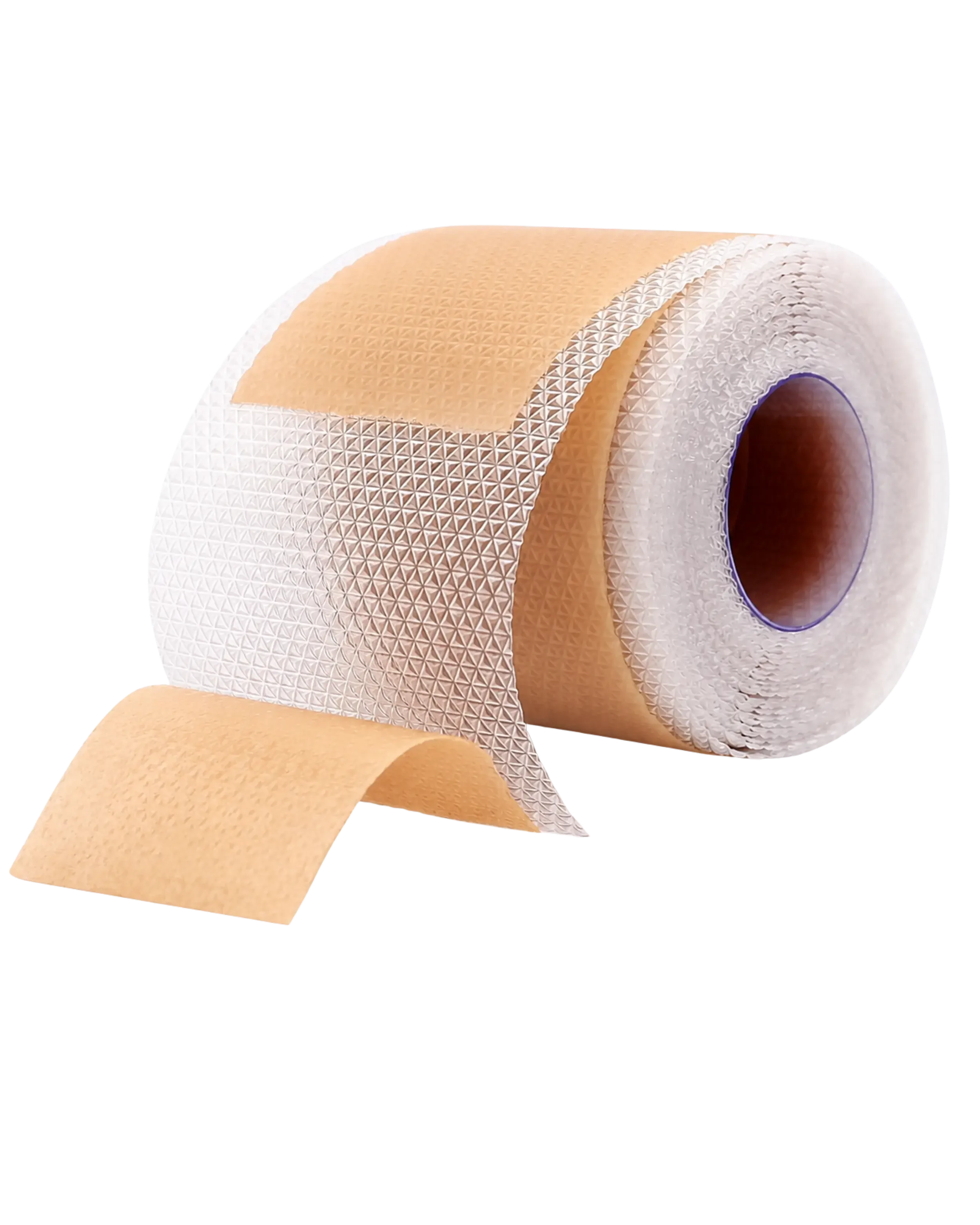
Scar tissue is one of the most common things I work with in my practice here in Pacific Grove. Whether it's a post-surgical client, someone managing a C-section scar, or a person dealing with a keloid from an old injury, scar tissue shows up in the treatment room regularly, and the work doesn't stop when the session ends. These silicone scar sheets are one of the few at-home tools I feel genuinely good recommending.
Why I Recommend This
I’ve worked on bodies for over 20 years. I don’t recommend products lightly. This is one I actually use and suggest when I see:
Surgical scars
Tight, raised tissue
Areas that won’t soften
Old scars that still feel stuck
Because scars are not just cosmetic. They affect movement. They affect fascia. They affect how the body functions.
Why Silicone Works
Silicone sheeting works primarily through hydration and occlusion of the scar site. When scar tissue forms, the top skin layer is often compromised, causing increased water loss. That dryness signals the body to keep producing collagen — which is how scars become raised, thick, or discolored. Consistent silicone coverage slows that process down.The research behind it is solid. A peer-reviewed meta-analysis in PubMed pooling ten clinical trials found silicone gel sheeting produced a statistically significant reduction in hypertrophic scar formation. A 2016 study in the Journal of Clinical and Aesthetic Dermatology found that all scar types improved significantly in color, thickness, and elasticity with consistent use. And a 2025 prospective study from NCBI confirmed silicone sheets were particularly effective at reducing pigmentation and vascularity over 12 weeks.S
Silicone is the most recommended scar reduction ingredient by dermatologists and plastic surgeons. This isn't a wellness trend, it's a tool with decades of clinical use behind it.
What Silicone Scar Sheets Do
Flatten and soften raised hypertrophic and keloid scars
Reduce redness, discoloration, and itching
Work on both new and older scars, including ones that have been present for years
Self-adhesive and water resistant, each sheet holds for up to 7–10 days
Drug-free, paraben-free, latex-free
Cut-to-size tape option available for longer or irregular scars
Who It's For
These sheets are a good fit if you're recovering from surgery (knee replacement, mastectomy, cardiac, abdominal), managing a C-section or tummy tuck scar, dealing with a burn scar, or working on a keloid or raised scar from an older injury. Apply only to fully closed, healed skin, never to open wounds or broken skin.
My Own Results
I used Silicone Scar Sheets on my own scar and documented the progress over several weeks. This is what consistent daily use actually looks like, no filters, no editing.
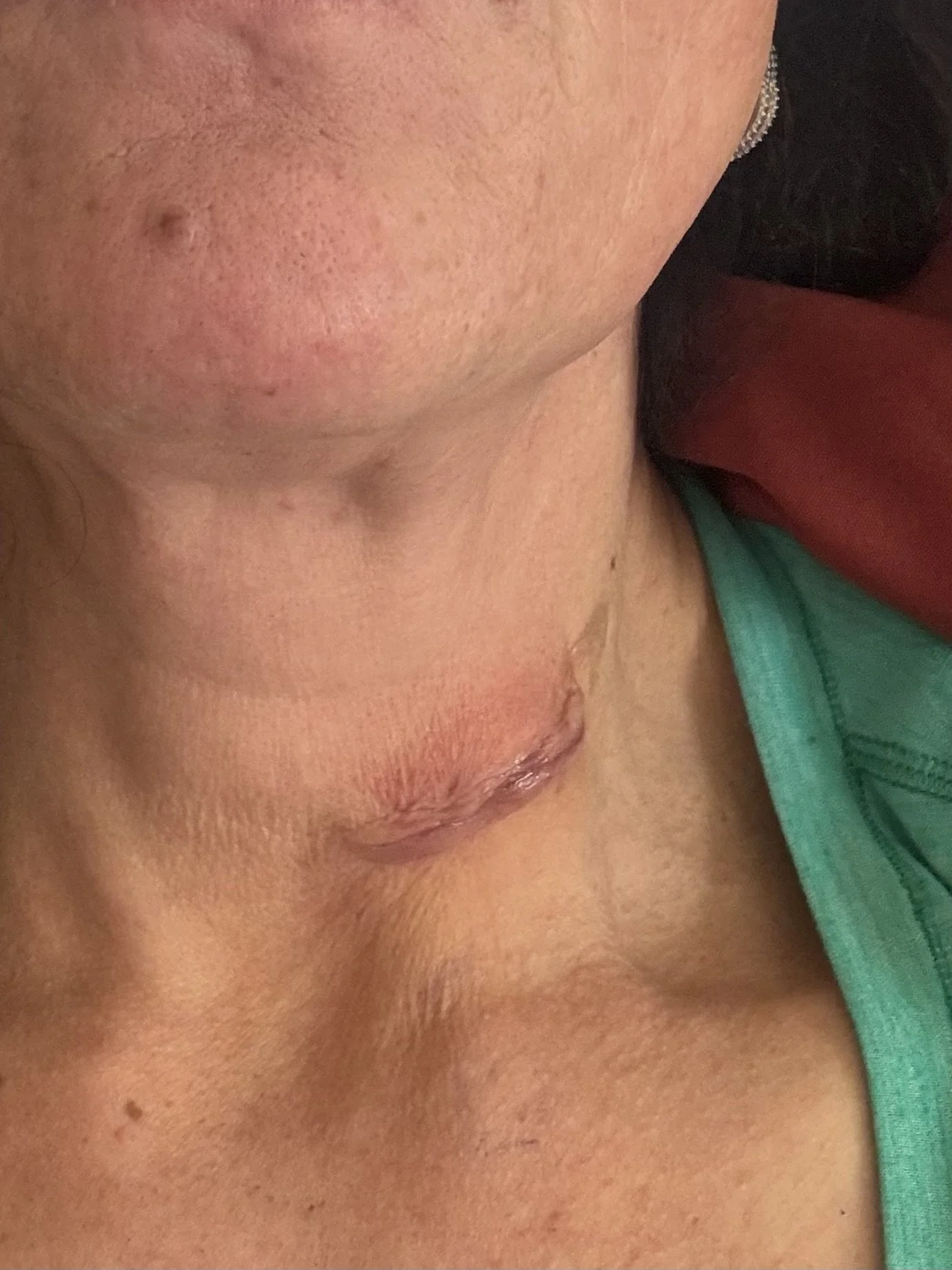
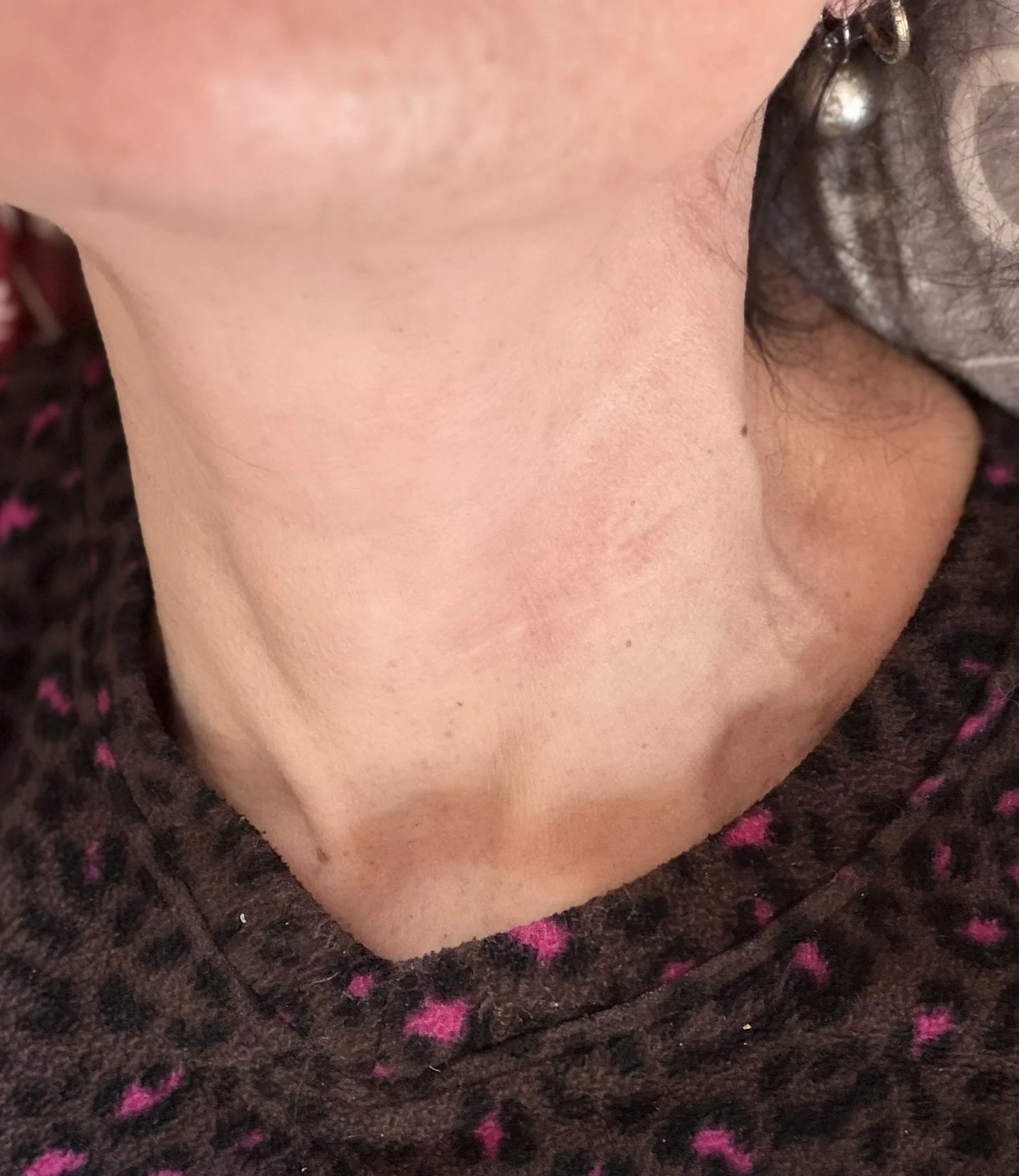
Individual results vary. Consistent daily use over 8+ weeks.
How to Use Them
Clean and dry the scar area completely, then apply the sheet directly over it. Wear for 12–24 hours daily, removing only to rinse both the skin and the sheet before reapplying. Replace each sheet every 7–10 days. Plan for a minimum of 60–90 days of consistent use for new scars. Older scars may take longer but can still respond.
Visible softening can happen in days. Meaningful improvement in color and texture typically begins within 4–8 weeks.
How This Fits with Massage Therapy
Silicone sheets work on the surface layer which is exactly where they should be used. For scars that have created deeper restrictions, pulling at the fascia or limiting range of motion, hands-on work can reach what topicals cannot. I often use myofascial release and structural integration for clients whose scar tissue is affecting movement or creating downstream tension patterns. The sheets handle the daily maintenance. The sessions handle what's underneath.
If you're also dealing with inflammation or slower healing around a scar site, red light therapy is another tool worth looking at, I've recommended it for similar reasons.
A note from Selina: I am not a physician. The information here reflects my professional experience as a massage therapist and health educator with over 23 years of practice in Pacific Grove, CA. It is not intended to replace medical advice. Always consult your physician or surgeon before beginning any scar treatment, especially following recent surgery. The link above is an affiliate link, I may receive a small commission if you purchase through it, at no additional cost to you.