Atomic Habits: Why Small Changes Create Lasting Health
Lasting change rarely comes from motivation alone. More often, it comes from small, repeatable actions that quietly shape how we live, move, and care for ourselves. Atomic Habits by James Clear has become one of the most widely recommended books on habit formation because it offers a practical, science-based framework for building habits that actually stick.
Rather than focusing on willpower or discipline, the book shifts attention to systems, the structures that make certain behaviors easier to repeat and others harder to maintain. This approach resonates deeply in health and wellness, where sustainable progress matters far more than short-term intensity.
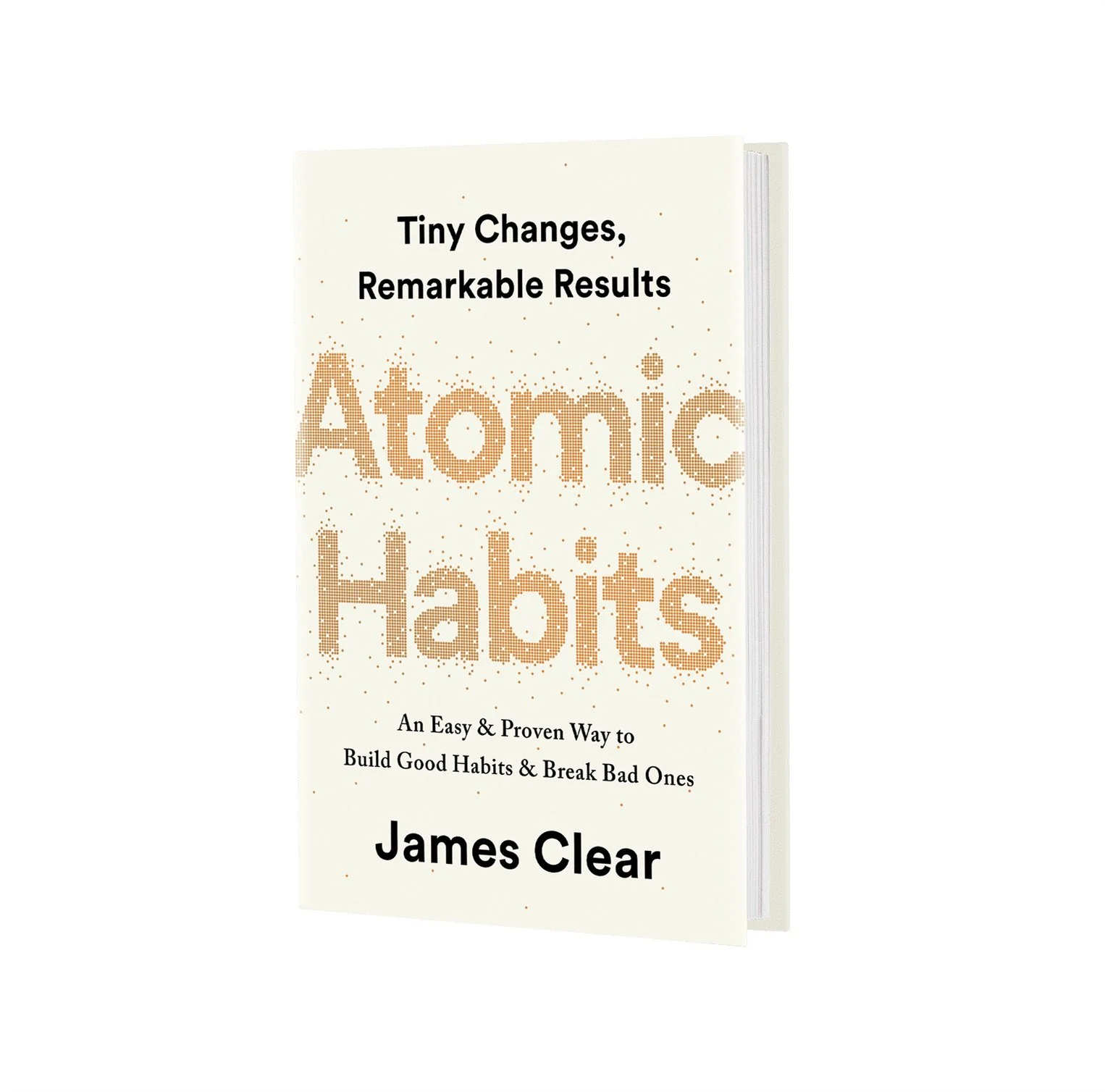
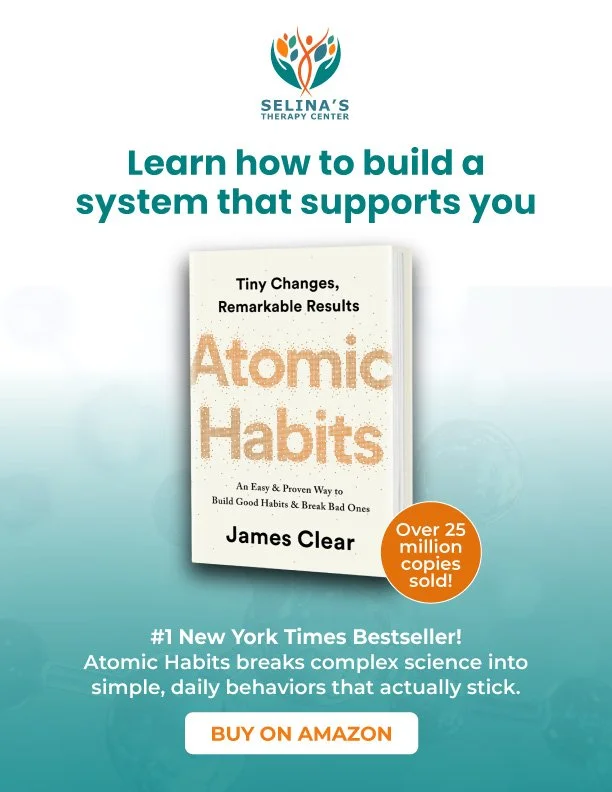
The #1 New York Times bestseller.
Over 25 million copies sold!
Translated into 60+ languages!
Why Habits Matter More Than Goals
One of the core ideas in Atomic Habits is that goals set direction, but systems determine progress. You don’t rise to the level of your goals, you fall to the level of your systems. When habits are poorly designed, even the best intentions eventually break down.
Research in behavioral psychology supports this idea. Studies show that environment and repetition play a greater role in habit formation than motivation alone, especially during periods of stress or fatigue¹. By improving the system around a habit, where, when, and how it happens. Change becomes more reliable and less exhausting.
The Power of Tiny Changes
Clear emphasizes that habits compound over time. A small improvement repeated daily may feel insignificant in the moment, but its impact grows steadily. This principle mirrors how the body responds to consistent care: gentle movement, regular recovery, and daily self-maintenance often produce better long-term results than extreme interventions.
Neuroscience research confirms that repeated behaviors strengthen neural pathways, making actions more automatic and less effortful. This explains why habits, once established, feel easier to maintain than behaviors driven by constant decision-making.
Systems Over Willpower
Many people believe they “lack discipline” when habits fail. Atomic Habits reframes this belief: the problem is rarely the person, it’s the system. When an environment is designed to support healthy behaviors, success becomes the default rather than the exception.
This concept aligns closely with wellness practices that prioritize nervous system regulation and sustainability. Reducing friction, simplifying routines, and designing supportive environments can lower stress and improve follow-through³.
Why Atomic Habits Works for Busy Lives
Another reason Atomic Habits resonates is its practicality. The strategies are simple, adaptable, and realistic for modern life. Whether read in print or listened to as an audiobook, the content is accessible and easy to integrate into daily routines, especially during walks, commutes, or quiet moments of recovery.
Clear draws from biology, psychology, and neuroscience while keeping the language approachable, making the book useful for anyone seeking long-term health, personal growth, or lifestyle change⁴.
From Selina:
This is one of the most important books I recommend for lasting health. It teaches how to build habits you can actually live with, not just stick to temporarily.
A Health-Centered Takeaway
Sustainable wellness isn’t built through extremes. It’s built through small, consistent choices that support the body and mind over time. Atomic Habits offers a clear reminder that progress doesn’t require perfection, only repetition, intention, and systems that work with you rather than against you.
For anyone focused on improving health, reducing stress, or creating habits that truly last, this book provides a grounded and effective framework.
Citations & Sources
American Psychological Association – Motivation, Habits, and Behavior Change https://www.apa.org/monitor/nov01/habit
National Institute of Mental Health – The Brain and Habit Formation https://www.nimh.nih.gov/health/topics/the-brain
We Have Better Ways to Break Habits Than Willpower. Why Don't We Use Them? https://www.library.hbs.edu/working-knowledge/we-have-better-ways-to-break-habits-than-willpower-why-dont-we-use-them
Clear, James. Atomic Habits. Avery Publishing, 2018. https://jamesclear.com/atomic-habits