Heating Pad: How to Use It and Why It Works So Well
A heating pad can do far more than just warm sore muscles. When used intentionally at night, heat therapy supports muscle relaxation, improves circulation, and helps calm the nervous system. These effects are supported by research and widely referenced in clinical reviews and medical sources.
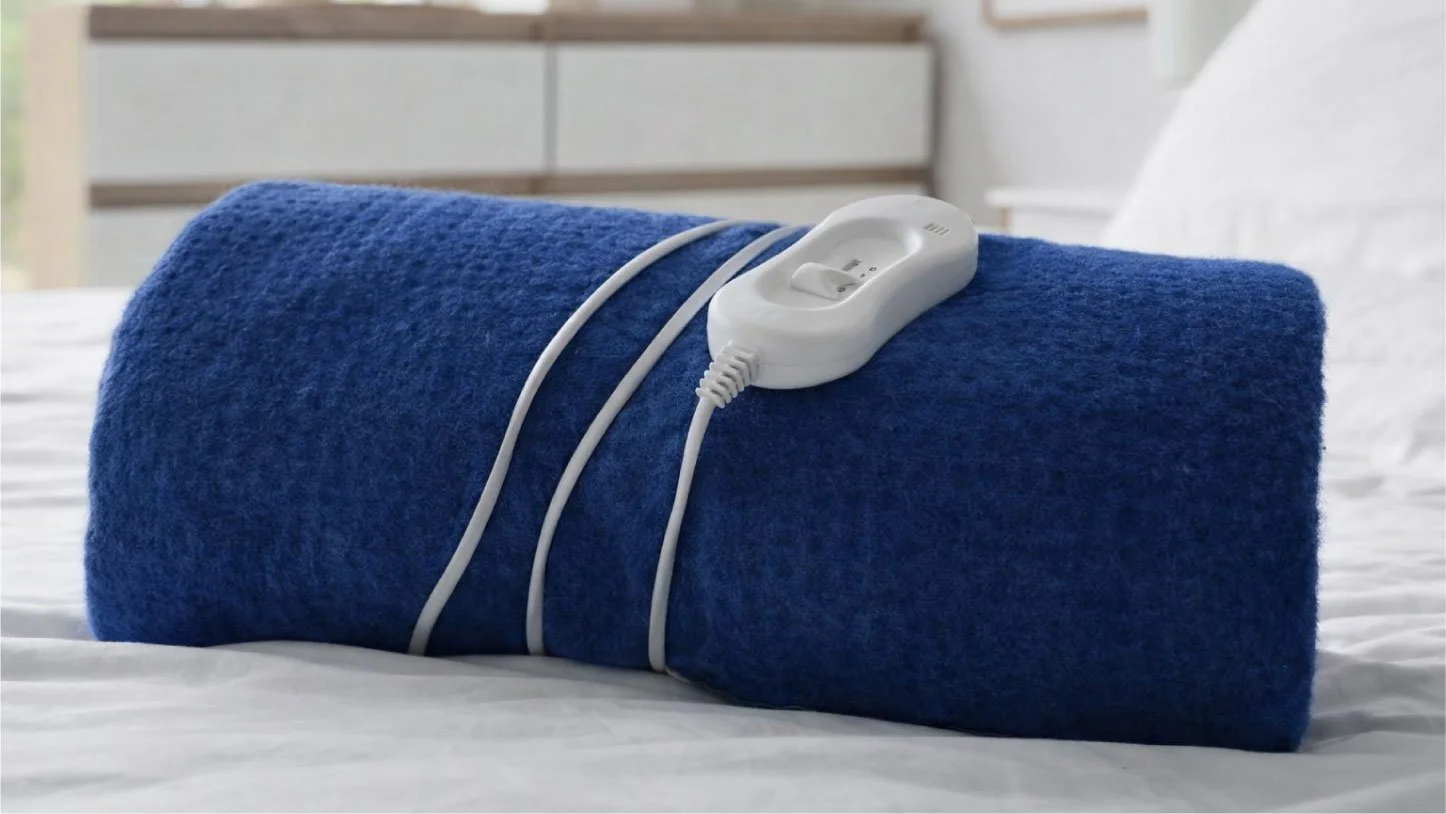
Used correctly, a heating pad supports the body’s natural nighttime recovery processes and helps the nervous system shift out of stress mode.
How Heat Therapy Works: The Science Behind It
When you apply heat to your body, several physiological changes occur.
1. Heat Helps Relax Muscles and Reduce Tension
Heat raises tissue temperature, which helps increase blood flow and relax muscle fibers. This can reduce stiffness and muscle tightness from daily activity or workouts. Increased circulation also delivers more oxygen and nutrients to tissues, supporting recovery and tissue flexibility. Heat treatments have been shown to loosen stiff joints and relieve aching muscles through improved blood flow and muscle relaxation.
2. Heat Can Help Relieve Pain
Heat therapy raises your pain threshold and relaxes tight muscles, which is why it is widely recommended for chronic discomfort like back pain and muscle stiffness. Local heat treatments have been studied and shown to provide pain relief for chronic musculoskeletal conditions.
3. Heat Improves Blood Flow and Tissue Health
Local heat applications lead to vasodilation, meaning blood vessels widen and blood flow increases. This supports tissue health and can help with recovery after stress and daily strain.
Note: Heat is generally not recommended immediately after an acute injury when swelling is present. In those cases, cold therapy is more effective at reducing swelling and inflammation. Learn more: Ice packs vs warm compresses for pain (Johns Hopkins Medicine)
Best Ways to Use a Heating Pad at Night
How Long Should You Use It?
There is no one-size-fits-all rule, but many health professionals recommend 20 to 40 minutes for muscle relaxation and pain relief. Longer use can be comfortable for general relaxation if you use moderate heat and a layer between the pad and your skin.
Even clinical guidelines on heat therapy note that local heat applied for appropriate durations can improve blood flow, reduce stiffness, and increase range of motion.
Where Heat Works Best on the Body
1. Feet
Warming the feet engages a dense network of nerves and muscles, which can support a whole-body relaxation response. Increased blood flow to the extremities can help the body move into rest mode and ease muscle tension.
2. Thighs and Hip Flexors
Daily activities like sitting, walking, and training can create tightness in the front of the legs. Applying heat to the thighs and hip flexors supports circulation and helps muscles release tension, which can otherwise contribute to discomfort in the back or hips.
3. Back and Shoulders
Scientific sources show that applying heat directly to the back can help relax muscle fibers, improve circulation, and reduce pain, especially after the acute swelling phase has passed.
Tip: You might feel tension in your back that actually originates from tight muscles in the front of the body. Experiment with heat in multiple areas to see what feels best.
Heating Pad vs Cold Therapy vs Red Light Therapy
| Method | Primary Mechanism | Best Use | Limitation |
|---|---|---|---|
| Heating Pad | Increases blood flow and relaxes muscles | Chronic tension, muscle relaxation, pain relief | Not ideal immediately after swelling |
| Cold Therapy | Constricts blood vessels to reduce inflammation | Acute injury, swelling control | Less effective for long-term muscle relaxation |
| Red Light Therapy | Light wavelengths stimulate cellular activity | Targeted tissue repair | Short sessions only, not long-term heat |
How I Use My Heating Pad Every Night
Here is my personal routine:
Feet: I wrap the pad lightly around my feet while settling into bed, and the relaxation begins almost immediately.
Thighs: After a busy day or heavy workout, I place the pad on my thighs to help unwind muscle tension.
Rest of Body: Some nights I alternate between areas like my lower back or hips, depending on where I feel most tight.
No matter the weather, I consistently use heat because my body responds positively to it. Over time, this nightly ritual has become a reliable tool for calming my nervous system and easing muscle tension.
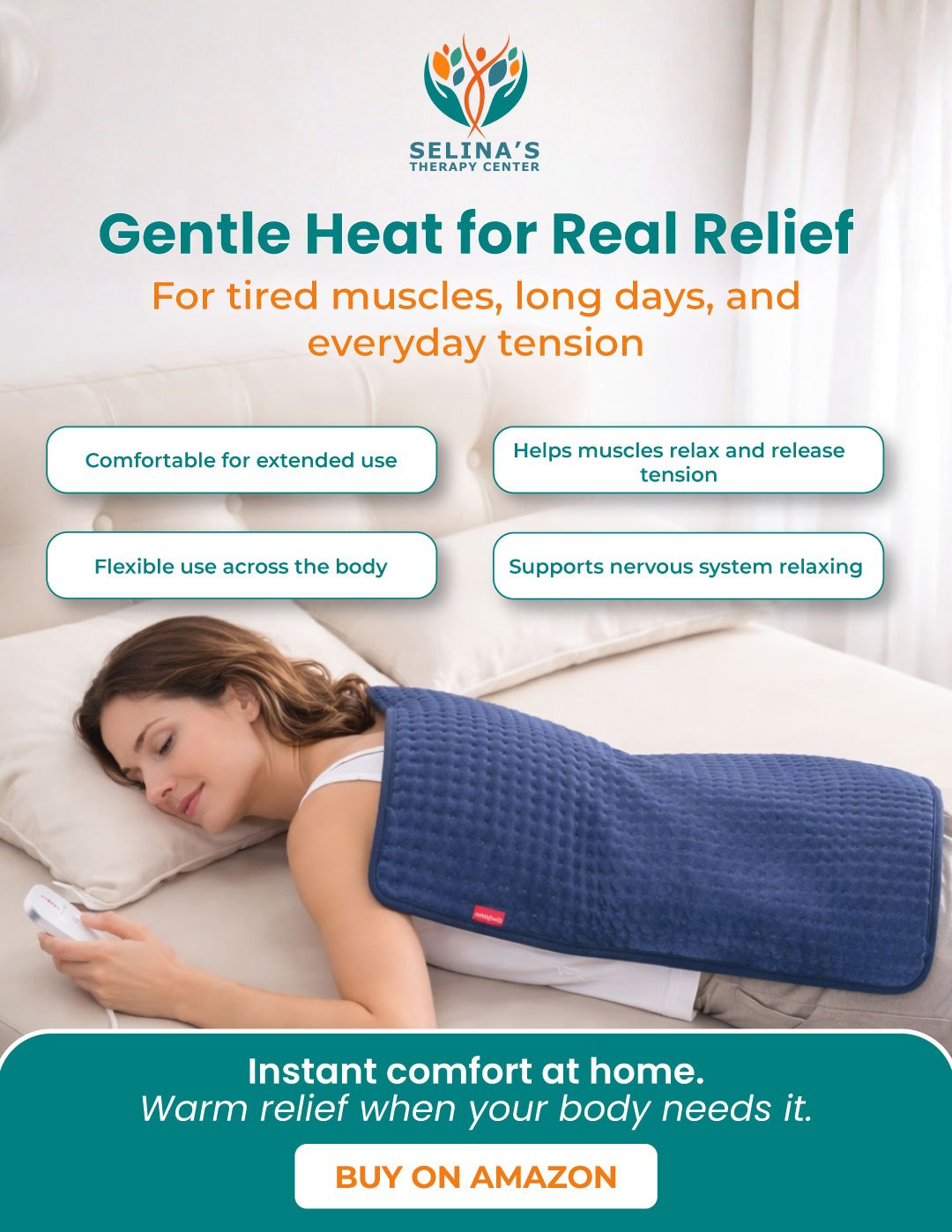
The Heating Pad I Use Nightly
Comfortable for extended use, flexible enough for feet, thighs, or back, and easy to incorporate into a nightly wind-down routine. Buy the Heating Pad I Use on Amazon
This is an oversized heating pad designed for full-body comfort, not a standard drugstore-size pad.
Safety Tips for Using a Heating Pad
To ensure safe and effective use:
Do not fall asleep with a heating pad set on high temperature.
Always place a thin fabric layer between your skin and the pad.
Choose a pad with an auto shut off feature if you plan to use it for longer sessions.
Avoid using heat on areas that are swollen or inflamed.
Final Thoughts
The science behind heat therapy is strong and well documented. Heat supports muscle relaxation, increases circulation, helps reduce pain, and enhances flexibility. Many people experience the most noticeable effects when heat is applied at night, helping the body unwind and recover after daily activities, workouts, or a long day.
Feeling tight or stiff? A heating pad might be a simple, effective, and research supported tool to add to your daily routine.