Red Light Therapy: Full-Body vs Targeted Treatment (Which Is Right for You?)
Red light therapy is a non-invasive wellness tool that uses specific wavelengths of red and near-infrared light to stimulate cellular function. When absorbed by the mitochondria (the “powerhouses” of the cell), this light may enhance energy production, support tissue repair, and help reduce inflammation. These effects are the basis for many current therapeutic applications of red light therapy at home and in clinical settings.
Today, you can choose between full-body red-light panels and spot or targeted devices such as blankets and pads. Both work by delivering photobiomodulation, but they serve slightly different purposes. Understanding how each type functions can help you pick the best fit for your goals and lifestyle.
Red light therapy has moved from clinics and wellness spas into homes, offering a simple, non-invasive way to support recovery, skin health, and overall vitality. Whether you’re using a full-body red-light system like the Total Body Red Light Panel or a localized red-light blanket such as the Therapeutic Red-Light Heating Blanket, both options deliver the same core benefit: exposure to specific wavelengths of red and near-infrared light that stimulate the body’s natural healing mechanisms.
But they serve slightly different purposes. Let’s break down how each works — and when to use one versus the other.
What Is Red Light Therapy?
Red light therapy (also called low-level light therapy or photobiomodulation) uses wavelengths typically between 600–900 nanometers to penetrate tissues at varying depths. Red light interacts with cells near the surface (like skin), while near-infrared light can reach deeper tissues such as muscles and joints.
Research suggests red light therapy may:
Improve circulation and mitochondrial energy production
Reduce temporary inflammation<br>
Support tissue repair processes
Enhance skin health by stimulating collagen and elastin production
Many dermatologists and physiotherapists describe it as a complementary modality best used consistently over time rather than as a one-off cure.
Full-Body Red Light Panels
A full-body red-light panel delivers consistent red and near-infrared light exposure to the entire body at once. These devices are often the largest household red-light units and are designed for general wellness support rather than a specific treatment area.
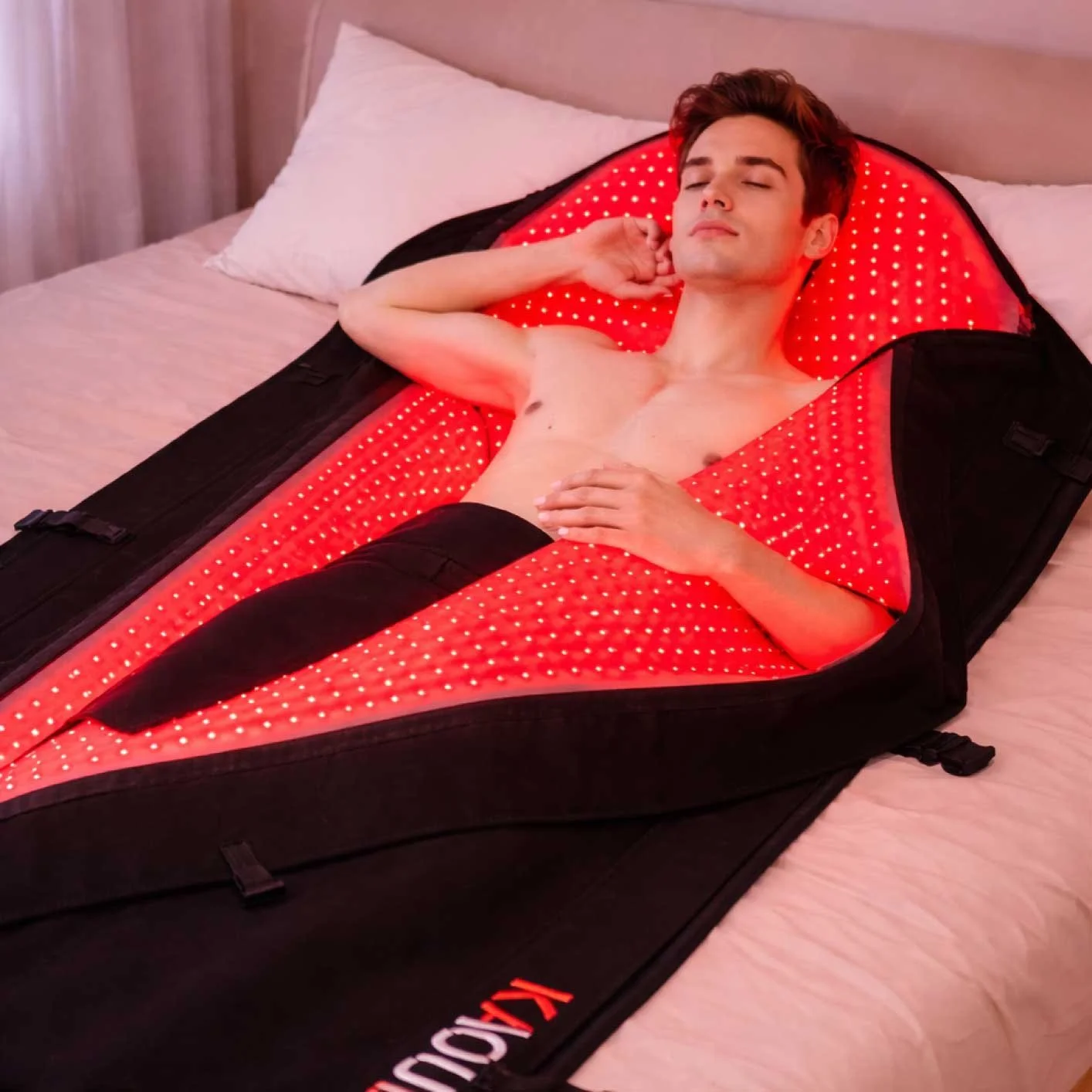
How Full-Body Red Light Therapy Works
You simply position yourself near the panel (typically 6–12 inches away) and allow the light to bathe your body for 10–20 minutes per session. This exposure targets mitochondria across large muscle groups and tissues simultaneously.
A panel is ideal if your goal is systemic wellness, meaning general recovery and support for multiple areas of your body.
Where to Start: Total Body Red Light Panel
Spot or Targeted Red Light Devices
Targeted devices like red-light blankets, pads, or small panels focus light on a specific area of the body. This can be beneficial when you want deeper treatment in a localized region, such as shoulders, knees, or lower back.
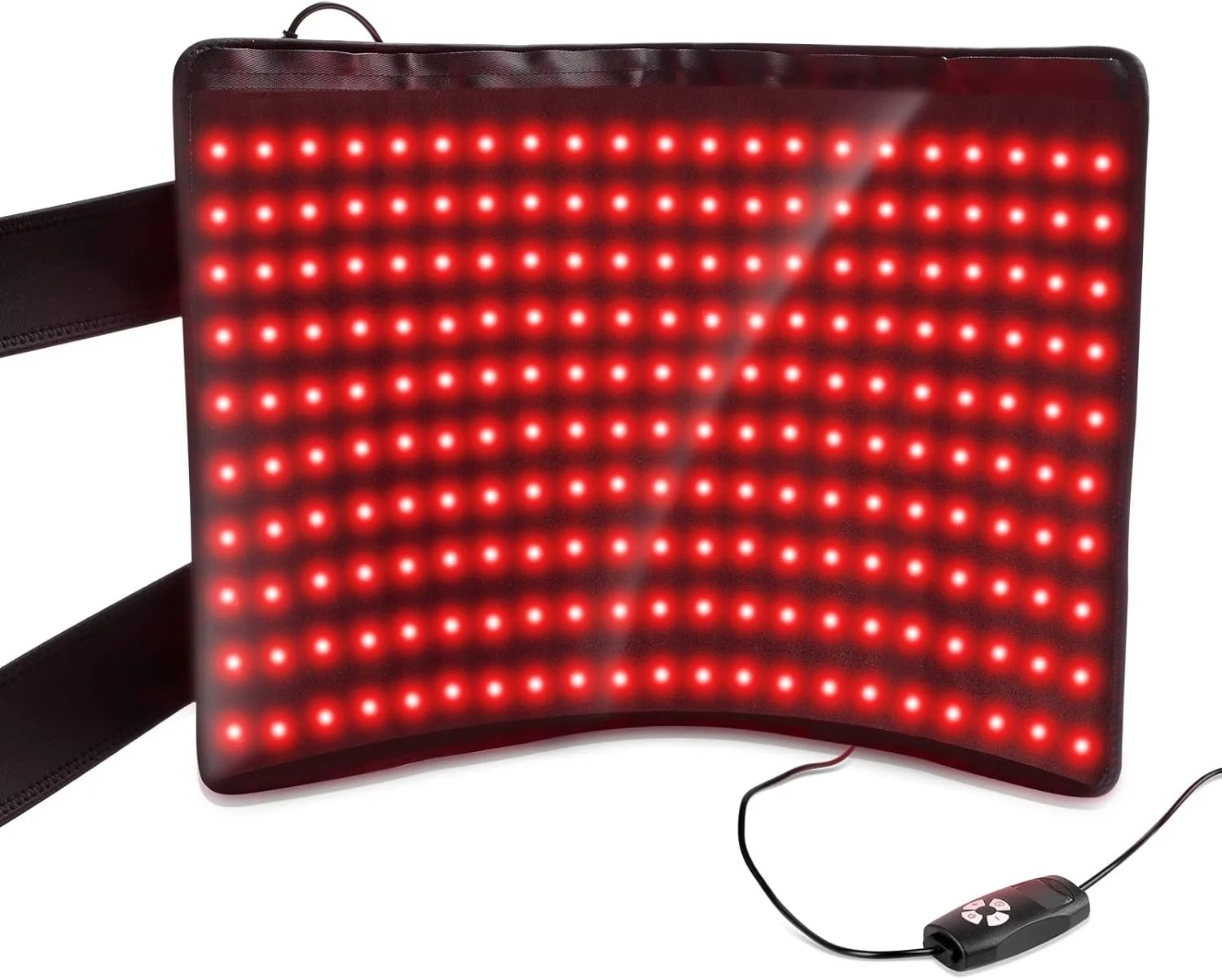
Benefits of Targeted Red Light Panels
How Targeted Red Light Devices Works
These devices are placed directly on or wrapped around the area that needs attention. Because they deliver light in close proximity, they can be more efficient for spot concerns than a whole-body panel.
Where to Start: Targeted Red Light Therapy
Full-Body vs Targeted: How to Choose
Both approaches deliver red light’s core benefits, but they differ in scope and application:
| Full-Body Red Light Panels | Targeted Red Light Devices |
|---|---|
| Broad exposure across muscles and tissues | Deeper focus on one area or injury |
| Better for overall wellness and recovery | Useful for chronic pain, tight muscles, or specific soreness |
| Great for skin benefits and general circulation | Often easier to use daily in a routine |
Some people combine both methods for a balanced approach: full-body panels several times per week for general health, and spot devices for daily targeted relief.
What Does the Science Say About Red Light Therapy?
While red light therapy is promising, experts emphasize that research is still evolving:
Studies show red and near-infrared light can stimulate cellular processes like ATP production and collagen synthesis, which supports recovery and skin health.
Evidence suggests potential benefits for inflammation, pain reduction, and muscle recovery when used consistently.
Dermatology sources report promise for skin conditions and aging signs, though more large-scale studies are needed for definitive recommendations.
No therapy is a miracle cure, but many users find red light therapy a valuable complement to physical recovery and wellness routines.
Is Red Light Therapy Safe to Use at Home?
If you plan to use red light therapy at home:
Follow the manufacturer’s recommended session times (typically 10–20 minutes).
Consistency matters more than long sessions. Regular, shorter sessions often yield better results than sporadic long ones.
Protect your eyes from direct exposure to high-intensity devices.
Talk with a healthcare provider if you have specific medical conditions or concerns.
Final Thoughts
Red light therapy is a versatile, gentle way to support recovery, skin health, and energy levels. Choosing between a full-body panel and a spot device depends largely on your goals:
Go with a full-body panel for systemic wellness and general recovery.
Choose a spot red-light blanket or pad if you want focused relief and deeper targeting.
Either device can be a helpful addition to your self-care toolkit when used regularly and according to guidelines.
Experience the Difference
Enhance your healing journey with a massage and red light therapy session at Selina’s Therapy Center. This powerful combination melts away tension, supports cellular recovery, and leaves you feeling deeply restored from the inside out. Ready to feel renewed? Book your session now and experience the blend of intuitive bodywork and cutting-edge red light therapy for yourself.
See More Recommendations