Creatine is not just for bodybuilders. For women over 40, it may be a useful addition to a strength-training routine, especially when the goal is maintaining muscle and staying physically capable. The strongest evidence supports creatine monohydrate combined with resistance training. Benefits for menopause-related brain fog and bone health are less certain.
If you are navigating perimenopause, already past menopause, or thinking ahead about healthy aging, here is what creatine can—and cannot—do, how it is commonly used, and which safety questions matter.
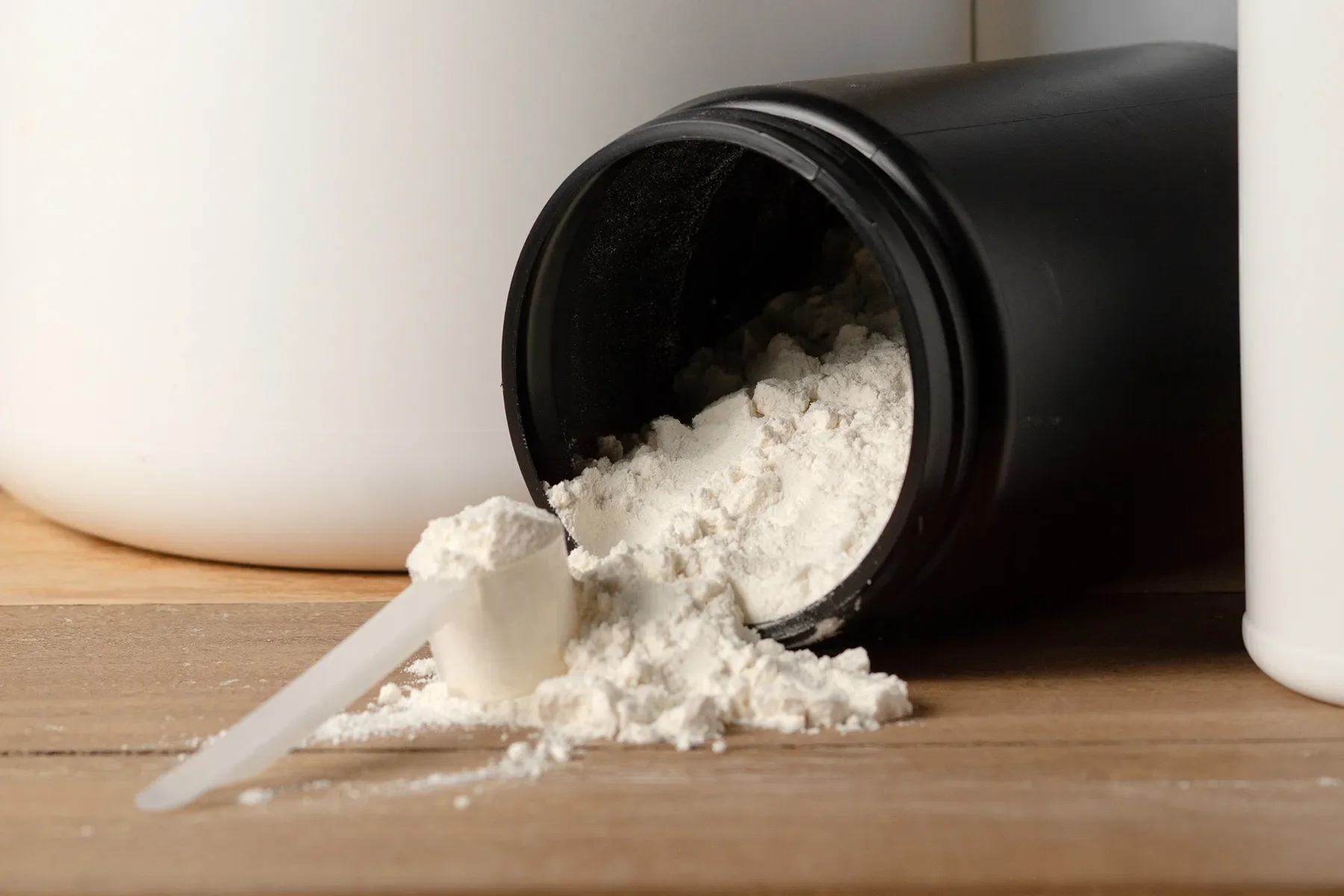
What is creatine, and how does it work?
Creatine is a compound your body makes naturally. You also obtain some from foods such as meat and fish. Most of the body’s creatine is stored in muscle, where it helps replenish adenosine triphosphate, or ATP: the energy cells use to perform work.
During brief, demanding efforts, such as lifting weights or completing a challenging set of squats, the creatine system helps muscles regenerate energy quickly. Supplements increase the amount of creatine available in muscle, which can improve performance during repeated high-intensity efforts.
Creatine is not a steroid, a hormone, or a protein powder. It does not replace dietary protein or the exercise stimulus needed to build strength. Its best-established role is helping you perform—and adapt to—certain kinds of training.
What are the benefits of creatine for women over 40?
Supporting muscle strength and lean mass. Maintaining strength becomes increasingly important with age. Menopause-related hormonal changes can add to age-related changes in muscle and bone, making a consistent exercise routine especially valuable. 2
A 2026 systematic review and meta-analysis examined seven randomized trials involving 608 postmenopausal women, with an average age of approximately 62. The researchers found modest improvements in lean mass and leg-press strength with creatine, with benefits generally most apparent when supplementation was combined with resistance training. 2

That is encouraging, but it is not a guarantee. Studies differed in dose, duration, and training programs, and many had methodological limitations. Research in postmenopausal women also does not automatically establish the same benefit for every woman in her early 40s or during perimenopause.
The practical takeaway: creatine may help you get somewhat more from a well-designed strength program. It should not be presented as a way to prevent all age-related muscle loss without exercising.
Making strength training more productive
Creatine can support repeated, high-effort muscle contractions. For some people, that means completing additional repetitions or maintaining performance across sets. Over time, better training performance may contribute to strength and muscle gains. Individual responses vary.
You do not need to train like a competitive athlete. Strength matters when you carry groceries, climb stairs, lift a suitcase, or get up from a chair. However, improvements in a laboratory strength test do not prove that a supplement will prevent falls or preserve independence for every user.
Brain health: promising research, not a proven benefit
Creatine also plays a role in brain energy metabolism, which is why researchers are studying memory and cognitive performance. A 2024 review of 16 randomized trials involving 492 participants reported benefits on some measures of memory and processing time, but not on overall cognitive function.
Those findings require caution. A 2026 scientific commentary identified statistical concerns in that review, including treating several test results from the same participants as independent observations. That can make results appear more precise than they really are.
For now, creatine should not be described as a proven treatment for menopause-related brain fog, dementia, or age-related cognitive decline. Persistent or worsening cognitive symptoms deserve a conversation with a healthcare professional, rather than relying on a supplement.
Creatine and menopause: what should you know?
The most useful way to think about creatine during menopause is as a possible training aid—not a menopause treatment. The evidence discussed above concerns muscle and strength outcomes, particularly when women also perform resistance exercise. It does not establish creatine as a treatment for hot flashes or a replacement for hormone therapy.
Bone health also needs careful wording. The 2026 women-specific review did not find an overall improvement in bone mineral density. Creatine should not replace osteoporosis evaluation, prescribed treatment, or an individualized bone-health plan.
If your goal is staying strong through midlife, start with an exercise routine you can sustain. Then discuss whether creatine fits your health history, nutrition, and training goals.
Can creatine help if you do not lift heavy weights?
Resistance training does not have to involve a heavy barbell. Depending on your ability and health, it can include resistance bands, weight machines, dumbbells, or suitably challenging bodyweight movements. The important part is that your muscles work against resistance and the program develops appropriately over time.
Walking remains valuable, but it does not provide the same training stimulus as strengthening exercise. Research in older adults suggests that creatine alone is unlikely to produce substantial improvements in muscle strength and function. The combination with resistance training is more convincing.
If you want individualized help with movement and exercise, explore specialized movement training at Selina’s Therapy Center in Pacific Grove. This service focuses on movement assessment and personalized training; questions about supplement suitability belong with your healthcare professional.
How much creatine should women take?
A commonly studied adult maintenance amount is 3–5 grams of creatine monohydrate daily. This is general research information, not a personalized prescription. Follow the product label and ask a qualified healthcare professional whether supplementation is appropriate for you.
Many studies in postmenopausal women used approximately 5 grams daily alongside resistance training. That does not mean every woman needs a higher dose, and subgroup findings should not be treated as a universal dosing rule.
Do you need a loading phase?
No. A loading phase raises muscle creatine stores faster, but it is not required. Taking a smaller daily amount can increase stores gradually over roughly three to four weeks. Higher loading amounts may be more likely to cause digestive discomfort or noticeable early water-weight changes.
For most readers exploring creatine for a long-term exercise routine, there is no reason to assume that faster loading is necessary.
When should you take it?
Choose a time that makes daily use easy to remember, and follow the product’s directions. Regular daily intake is the basis of the commonly studied protocols; you do not need to organize your day around an exact minute before or after exercise. Those protocols generally include rest days as well as workout days.
Is creatine safe for women over 40?
Creatine monohydrate is extensively studied and generally well tolerated by healthy adults at commonly studied amounts. That does not make every supplement appropriate for every person. Your medical history, medications, and the product’s other ingredients matter. 1 5
Water weight and digestive discomfort
Some people notice an early increase on the scale because creatine can increase water stored in muscle. This is not the same as gaining body fat, and not everyone experiences noticeable water retention.
Nausea, loose stools, or stomach discomfort can occur, particularly with larger amounts taken at once. Avoid exceeding the label or assuming that more is better. If symptoms persist, stop and seek professional advice.
Research does not support the common claim that creatine itself causes dehydration or muscle cramps. Still, normal hydration remains important when you exercise, especially in warm conditions.
Creatine, kidney health, and blood tests
Studies in healthy adults have not shown kidney damage from commonly recommended creatine use. A 2025 systematic review found no significant change in glomerular filtration rate, a measure of kidney filtration, although blood creatinine could rise.
Creatinine is a breakdown product used in some kidney assessments. Supplementation can affect that measurement without necessarily meaning kidney damage. Tell your clinician that you take creatine so results can be interpreted appropriately. Never assume an abnormal test is harmless or dismiss it yourself.
Before starting, speak with your healthcare professional if you have kidney disease, abnormal kidney tests, another ongoing medical condition, or take prescription medication. Pregnancy and breastfeeding are also reasons to seek individualized advice rather than assuming findings in healthy, nonpregnant adults apply to you.
What is the best type of creatine for women?
Creatine monohydrate has the strongest research foundation. Other forms and premium blends have not been shown to be consistently superior for increasing muscle creatine or improving performance. You do not need a product marketed specifically to women to access the benefits studied with monohydrate.
Look for a clearly stated amount per serving and a label you can understand. Independent quality testing can help evaluate manufacturing quality and label accuracy, but it does not guarantee a benefit or establish that a product is right for your health.
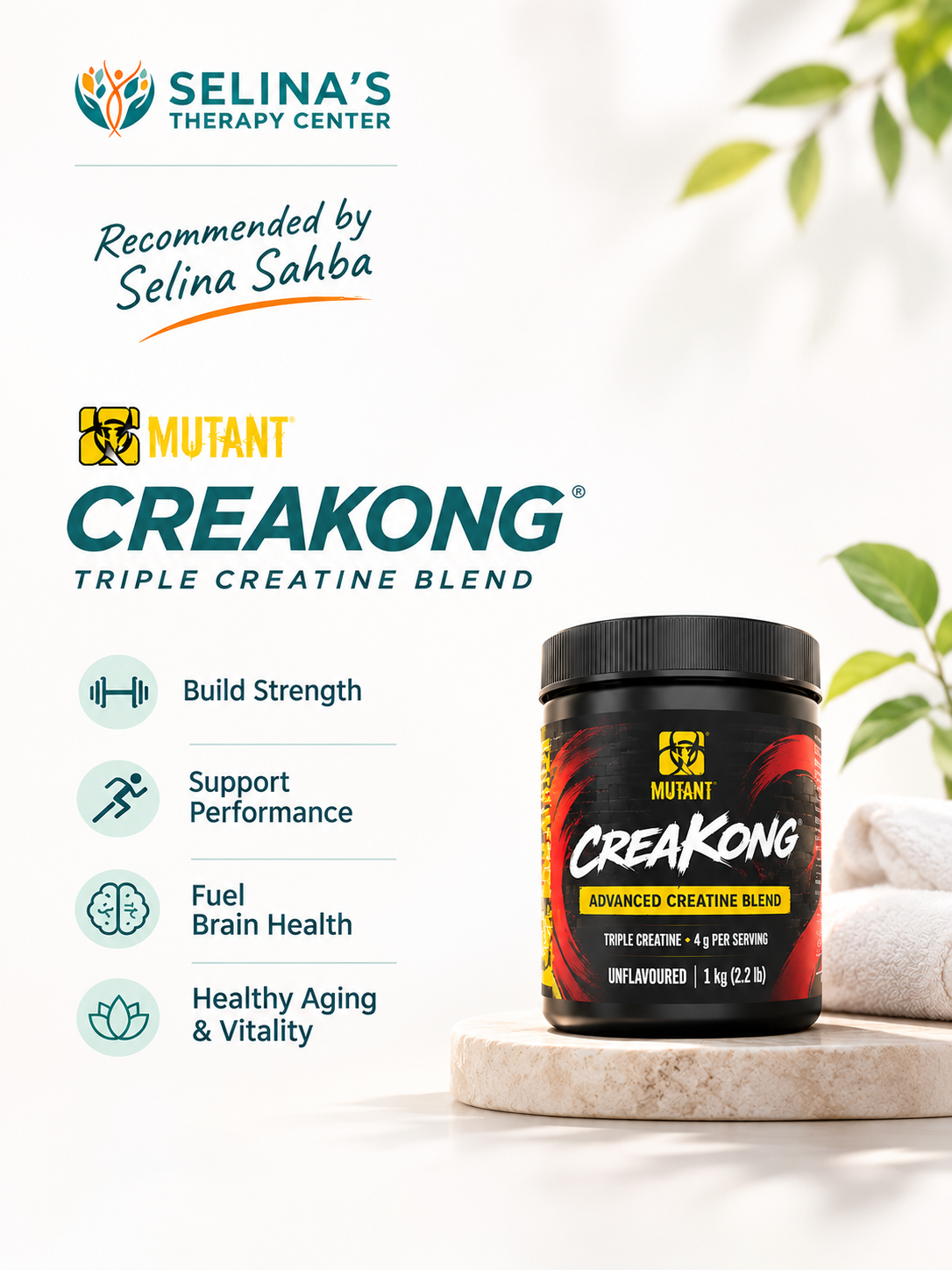
Selina’s product recommendation: MUTANT CREAKONG
One option Selina recommends considering is MUTANT CREAKONG. According to the manufacturer’s product information, it is unflavored and contains a 4-gram blend of creatine monohydrate, creatine-magnesium chelate, and tri-creatine citrate per serving.
Importantly, 4 grams of a blend is not the same as 4 grams of creatine monohydrate. The individual amounts of each form are not stated on the reviewed product page. Research on monohydrate does not establish that this particular blend is better, or that it produces identical results. A straightforward monohydrate product remains the most evidence-based starting point for comparison.
Frequently asked questions about creatine for women
Will creatine make me bulky?
Creatine does not automatically produce large muscles. It may cause some water-weight gain and help support muscle development when paired with resistance training. Changes in muscle size also depend on the training program and nutrition.
Is creatine good for weight loss?
Creatine is not a weight-loss supplement or a fat burner. Its better-established use is supporting training performance. Early water-weight changes can also make the scale less useful for judging short-term progress.
How long does creatine take to work?
Without loading, muscle stores generally build over approximately three to four weeks. That is not a promise that you will feel a difference by a specific date. Strength and muscle changes also depend on consistent training over time.
Should women over 50 or 60 take creatine?
Age alone is not a reason to take a supplement. Postmenopausal women who strength train may benefit, but the decision should reflect personal goals and health history. Creatine is optional, not a requirement for healthy aging.
Build a routine that supports strength for the long term
Creatine may be useful, but the foundation is still regular movement, strengthening exercise, adequate nutrition, and recovery. CDC guidance recommends muscle-strengthening activity on at least two days each week, working all major muscle groups. Start at a level appropriate for your ability and seek guidance when needed.
At Selina’s Therapy Center, our focus is helping people move well through personalized movement training and therapeutic bodywork. For more on maintaining an active routine, visit The Healing Journal.
If you are in Pacific Grove or the Monterey area, contact Selina’s Therapy Center about movement training or bodywork. For creatine dosing, medication questions, or management of menopause symptoms, consult your healthcare professional.
This article is for general education and does not replace individualized medical advice. It does not diagnose or treat a health condition. Consult an appropriately qualified healthcare professional before starting a supplement, especially if you have a medical condition, take medication, are pregnant, or are breastfeeding.