Foam Rolling 101: The 6 Muscles Most People Shouldn't Ignore
If you've ever walked into a gym, you've probably seen someone rolling back and forth on a foam roller. Maybe you've even tried it yourself. Maybe it hurt. Maybe you thought, “There's no way this is supposed to feel good,” and the roller has been collecting dust in a closet ever since.
If that's you, you're not alone.
Foam rolling has become incredibly popular over the last decade, but most people were never taught how to use it properly. They roll wherever something hurts, spend thirty seconds on a sore spot, then wonder why nothing really changes.
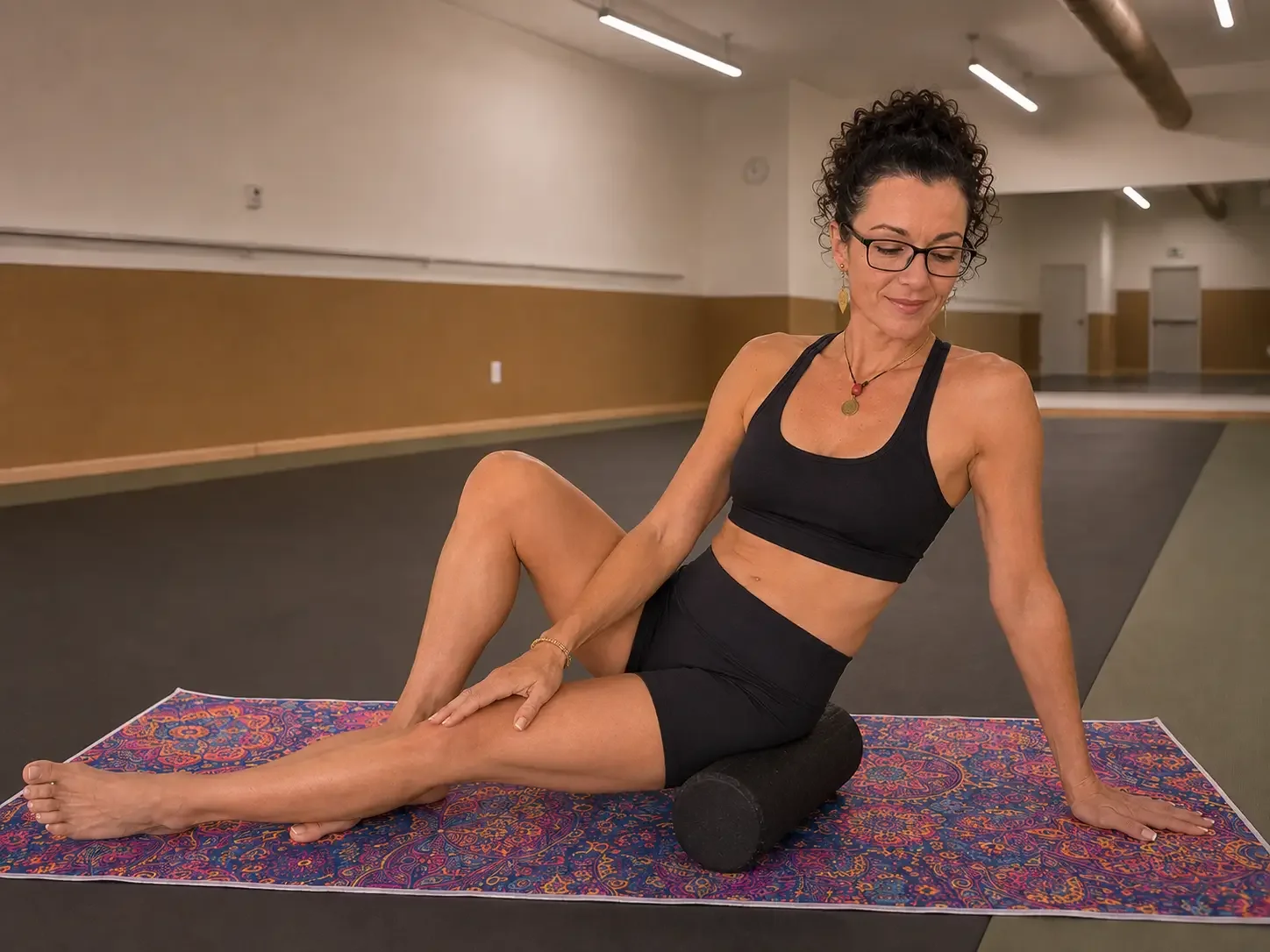
The truth is, foam rolling can be one of the best tools for improving the way your body moves. Research has shown that foam rolling may improve flexibility and range of motion without reducing strength or power, making it a useful addition to many warm-up routines. If you'd like to learn more about the science behind foam rolling, Harvard Health's article 'Foam Roller: Could You Benefit From This Massage Tool?' is an excellent place to start.
Let's start with one of the biggest misconceptions.
If Foam Rolling Hurts, It Doesn't Mean You Should Quit.
One of the first things people tell me is, 'I tried foam rolling once. It hurt too much.' My response is always the same: that's valuable information.
As massage therapists often say, 'Healthy tissue usually isn't painful when you press on it.' That doesn't mean every tender spot is injured. More often, it means the muscle has become overworked, shortened, or simply isn't moving as well as it should.
Over time our muscles accumulate tension from sitting, repetitive movement, stress, exercise, old injuries, and everyday life. Foam rolling may help improve mobility, reduce feelings of muscle tightness, and make movement feel easier.
If the pressure feels overwhelming, don't assume foam rolling isn't for you. Try a softer roller. Roll more slowly. Spend less time on each area. Your tolerance usually improves surprisingly quickly. The goal isn't to see how much pain you can tolerate. The goal is to help your body move better.
Foam rolling isn't supposed to be an endurance contest. Gentle, controlled pressure is often more effective than trying to push through pain. Hospital for Special Surgery has an excellent beginner's guide if you'd like to learn more.
The Biggest Mistake Most People Make
People often roll wherever something hurts. The problem is that the sore area often isn't the real problem. It's the muscle that's been working overtime because something else has become tight. Our bodies are incredibly good at compensating. When one area loses mobility, another area picks up the extra work. That's why I spend much more time addressing the muscles that quietly pull the body out of balance than chasing wherever something hurts. Self-myofascial release is one tool that can help improve tissue mobility and temporarily increase range of motion, but it works best as part of an overall movement program rather than as a standalone fix. The National Strength and Conditioning Association has a great review of the current evidence.
Foam rolling is one piece of the puzzle. Research suggests it can temporarily improve mobility and reduce feelings of muscle tightness, but it works best alongside regular exercise and strength training.
The advanced formula uses a proprietary blend that helps support skin renewal while maintaining hydration during the healing process. It is applied just once daily, making it easy to incorporate into most skincare routines.
The 6 Muscles You Should Foam Roll Most Often
1. Chest muscles: Rounded shoulders, neck tension, and tightness between the shoulder blades often start here.
2. Lats: Tight lats can limit overhead movement and contribute to shoulder stiffness.
3. Hip flexors and quads: Sitting all day shortens these muscles and can increase stress on the lower back.
4. Calves: Better ankle mobility often improves movement throughout the entire lower body.
5. Inner thighs (adductors): Releasing these muscles often makes hip movement feel smoother.
6. Biceps: Because they cross the shoulder joint, improving their mobility can sometimes help the shoulder move more freely.
When Should You Foam Roll?
Both before and after exercise can be beneficial. Before activity, foam rolling may improve mobility and help prepare your body for movement. After activity, it may promote relaxation and leave your muscles feeling less stiff.
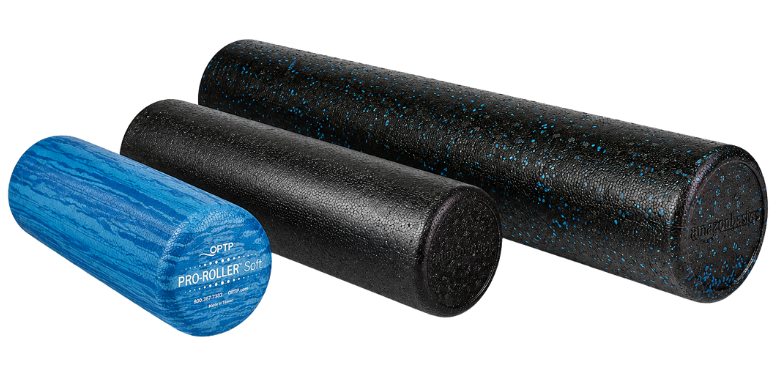
Personally, I love doing it before activity because I want my body moving as well as possible before I ask it to perform. Research has found that foam rolling before exercise can improve range of motion without reducing strength or athletic performance.
How Long Should You Roll?
Generally, one to two minutes per muscle group is plenty. Move slowly. Breathe. When you find a tender spot, don't attack it. Pause and let the muscle gradually relax. Consistency beats intensity.
Which Foam Roller Should You Buy?
In my practice, I usually recommend starting with a firmer roller because it reaches deeper tissues more effectively. If it's too intense, Amazon's return policy makes it easy to switch.
For home use, I prefer a long roller because it doubles as a tool for posture exercises and core work. I carry a short roller to yoga because it's easier to transport.
If you've tried foam rolling before and found it too uncomfortable, don't give up. Starting with a softer roller and gradually progressing to a firmer one is a perfectly reasonable approach. The best foam roller is the one you'll actually use.
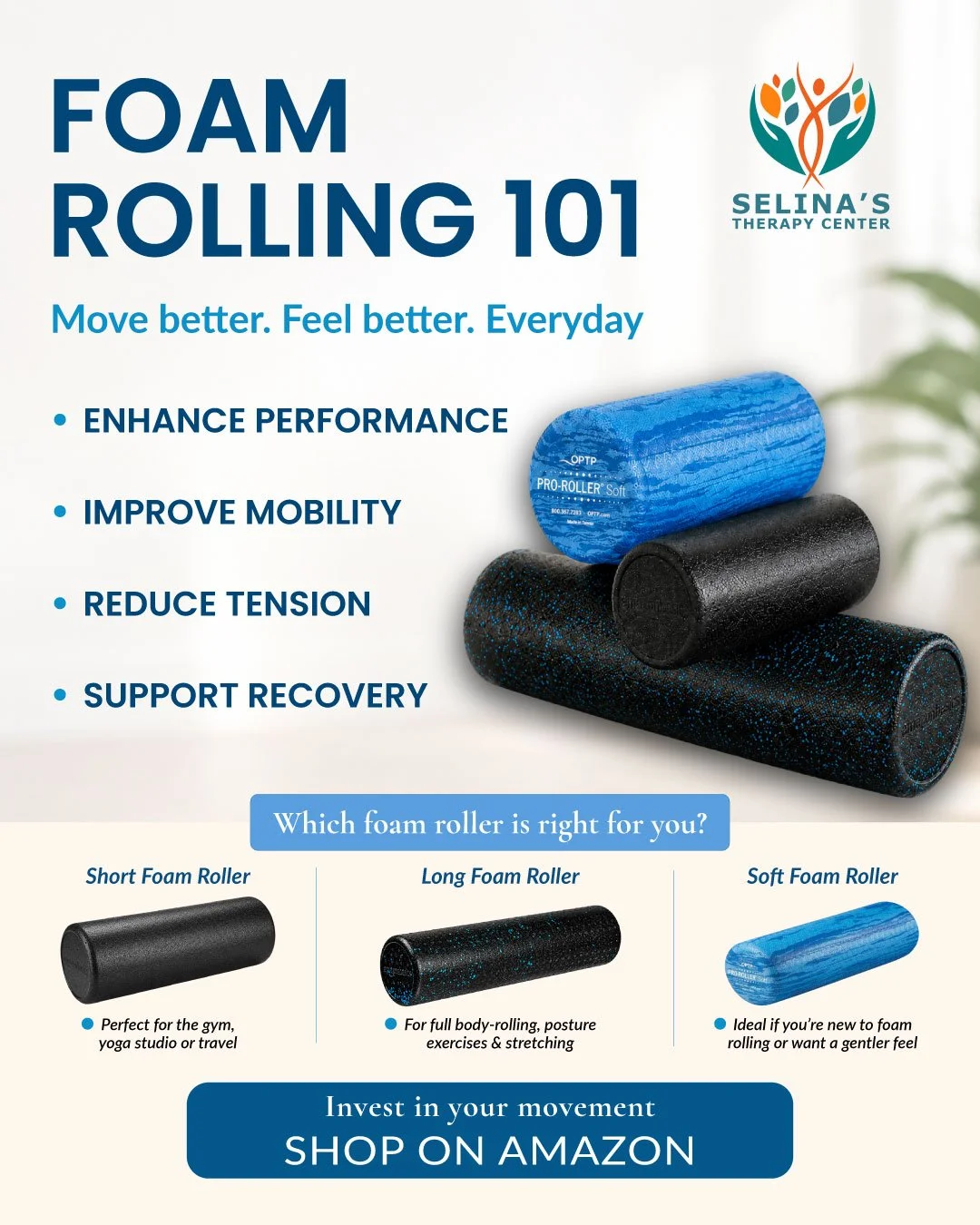
My Favorite Foam Rolling Tools
Don't Forget the Massage Ball
A massage ball reaches smaller areas that a roller can't. I personally prefer a larger massage ball because it's more versatile for the hips, chest, glutes, and other smaller muscle groups.
Frequently Asked Questions
Can you foam roll every day?
Yes. Most healthy people can foam roll daily.
Should it hurt?
Some discomfort is normal, but sharp pain is not.
How long should you roll?
One to two minutes per muscle group is usually enough.
Who should avoid foam rolling?
Avoid rolling directly over fresh injuries, fractures, open wounds, severe bruising, or active inflammation.
Consult your healthcare provider if you're unsure.
My Final Thoughts
After more than two decades working with the human body, one thing has become very clear. Our bodies rarely become painful overnight. Little restrictions build over months and years until one day something starts hurting.
Foam rolling isn't a magic cure, but it is one of the simplest, most affordable ways to improve movement quality. Think of it like brushing your teeth. You don't do it because you have a cavity. You do it because you'd rather prevent one. Spend a few minutes taking care of your body today, and your future self will almost certainly thank you.